How to Prevent Pest Infestations and Protect Your Property Investment
https://buymeacoffee.com/kaysogy/how-prevent-pest-infestations-protect-your-property-investment
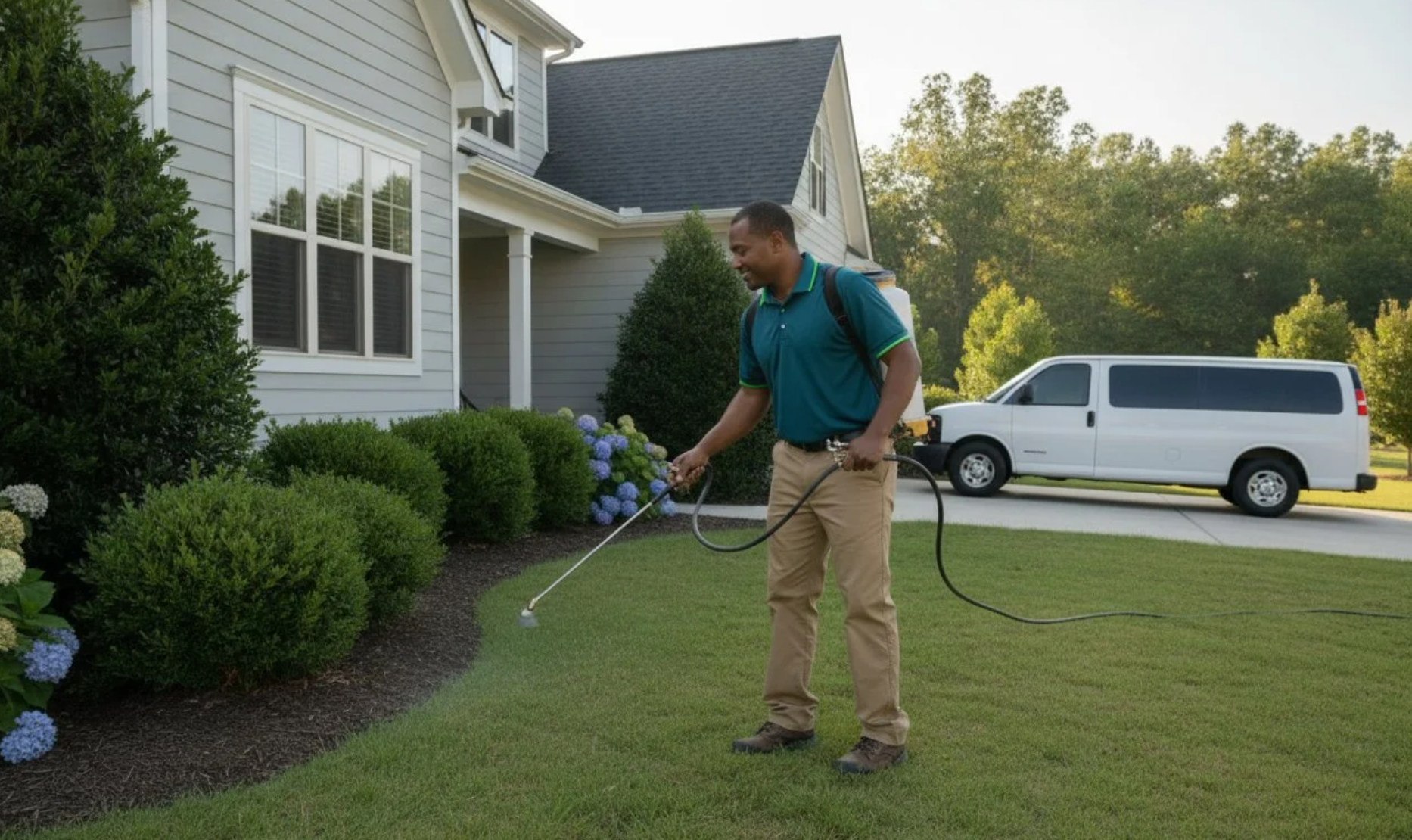 Pest infestations are among the property problems that can create serious discomfort, damage building materials, and increase maintenance expenses. Termites, rodents, cockroaches, mosquitoes, ants, and other unwanted organisms can affect residential and commercial buildings if appropriate preventive measures are ignored.
For homeowners, landlords, property developers, and real estate investors, pest prevention should be an important part of property maintenance. A building that is clean, properly maintained, and protected against pests is more comfortable for occupants and easier to manage.
Preventing an infestation is often less expensive than dealing with extensive damage after pests have become established. By adopting practical maintenance routines, understanding environmental conditions, and seeking professional assistance when necessary, property owners can protect their buildings and strengthen their Property investment strategies.
1. Understand the Common Pests That Affect Buildings: Different pests create different problems, so identifying the likely threats is an important first step.
Termites can damage wooden doors, furniture, roofing components, and other materials containing cellulose. Rodents may chew electrical cables, contaminate food storage areas, and damage plumbing installations. Cockroaches and ants can become troublesome where food particles and moisture are readily available.
Mosquitoes may breed in stagnant water around buildings, while other insects can enter through openings, damaged screens, and poorly maintained drainage systems.
Understand which pests are common in your location and the conditions that encourage their presence. This knowledge will help you choose suitable prevention methods instead of relying on general treatments that may not address the actual problem.
2. Keep the Property Clean and Free From Unnecessary Waste: Good sanitation is one of the most effective ways to discourage many common pests. Food remains, uncovered waste, dirty storage areas, and accumulated materials can provide insects and rodents with food and shelter.
Clean kitchens, bathrooms, storage rooms, and common areas regularly. Store food in properly sealed containers and dispose of household waste in covered bins.
For commercial buildings, establish cleaning responsibilities and ensure that waste collection arrangements are reliable.
Outdoor areas should also be maintained. Remove unnecessary rubbish, discarded containers, and materials that may create hiding places for pests.
A clean property does not guarantee complete protection, but it removes many of the conditions that encourage infestations.
3. Seal Openings That Allow Pests to Enter: Small openings around doors, windows, pipes, ventilation systems, and roofing connections can provide access for insects and rodents.
Inspect the building carefully and identify gaps that need attention. Repair damaged window screens, fit appropriate door seals, and close openings around plumbing and electrical installations using suitable materials.
Check roof spaces, ceiling edges, service ducts, and foundation areas because some pests can enter through locations that are not immediately visible.
When carrying out Home renovation ideas, include pest prevention in the improvement plan. Proper sealing can reduce entry points while also improving the general condition of the building.
4. Control Moisture and Repair Water Leaks: Many pests are attracted to damp environments because they provide suitable conditions for survival and reproduction.
Leaking taps, damaged pipes, blocked gutters, poor drainage, and water accumulation around foundations can encourage pest activity.
Inspect plumbing installations regularly and repair faults promptly. Ensure that bathrooms, kitchens, and laundry areas have adequate ventilation to reduce excessive moisture.
Outdoor drainage should direct water away from the building where the site design permits. Remove standing water from containers, unused equipment, and other locations where mosquitoes may breed.
Proper moisture control supports Sustainable real estate practices and helps prevent additional problems such as mould growth and deterioration of building materials.
5. Protect Wooden Structures and Furniture From Termites: Termites can cause significant damage because they may remain hidden while feeding on wooden materials.
Inspect wooden doors, window frames, furniture, roof components, and other vulnerable areas for signs of damage. Warning signs may include hollow-sounding wood, mud tubes, discarded wings, and unusual changes in the appearance of wooden surfaces.
Avoid unnecessary contact between untreated wood and damp soil. Where possible, maintain appropriate separation between wooden structures and ground moisture.
If termite activity is suspected, contact a qualified pest control professional for an inspection and suitable treatment.
Do not depend on ordinary household insect sprays to solve a serious termite problem. Proper identification and treatment are important to prevent further damage.
6. Maintain the Surrounding Environment: The condition of the land around a building can influence pest activity inside it.
Overgrown vegetation, unmanaged refuse, blocked drainage channels, and abandoned materials may provide shelter for insects and rodents.
Trim vegetation appropriately and avoid allowing tree branches to create unnecessary access to roofs and windows.
Keep outdoor storage areas organized and inspect spaces beneath staircases, sheds, and other structures.
If the property is located near farms, open fields, waterways, or waste collection points, consider whether additional preventive measures are necessary.
Neighborhood guides can help prospective buyers understand the surrounding environment before purchasing property. However, a direct inspection remains important because conditions can differ between neighbouring plots.
7. Establish a Regular Professional Pest Inspection Programme: Routine inspections can identify early signs of pest activity before the problem becomes extensive.
Arrange periodic inspections based on the building's location, construction type, previous infestation history, and level of risk.
A qualified pest control professional can identify vulnerable areas, recommend preventive treatments, and explain the safest approach for the property.
Ask for details about the products and methods being used, including application instructions, safety precautions, and any required period before occupants can return to treated areas.
Keep records of inspections, treatments, and recommendations. This information can help you monitor recurring problems and plan future maintenance.
8. Make Pest Prevention Part of Property Management: For landlords and property managers, pest prevention should be included in normal building management procedures.
Establish clear arrangements for reporting pest sightings, handling waste, maintaining shared spaces, and addressing plumbing or structural problems.
Tenants should understand their responsibilities regarding food storage, cleanliness, and reporting possible infestations. Property owners should also remain responsible for addressing building defects and other conditions that fall within their legal obligations.
Rental property management becomes more effective when inspections and maintenance responsibilities are properly documented.
Digital property management tools can help record complaints, schedule inspections, and track completed treatments. Real estate automation may also support maintenance reminders and routine reporting.
9. Use Technology to Improve Monitoring and Prevention: Technology can support pest monitoring, especially in larger residential developments, warehouses, hotels, and commercial properties.
Some monitoring devices can detect rodent movement or provide information about environmental conditions that may encourage pest activity.
Property managers can also use Real estate mobile apps to receive maintenance reports, communicate with occupants, and coordinate professional inspections.
Cloud-based real estate solutions can make inspection records and treatment reports easier to organize across several properties.
When using connected devices, protect access to stored information through appropriate Real estate data security practices.
Technology should complement physical inspections and professional pest control services rather than replace them.
10. Consider Pest Prevention When Buying or Investing in Property: Pest-related problems should be considered during property evaluation, particularly when purchasing older buildings or land in areas with a history of infestation.
Inspect wooden structures, ceilings, roof spaces, drainage systems, storage areas, and the surrounding environment. Where necessary, arrange an independent pest inspection before completing the purchase.
A house-hunting checklist should include questions about previous infestations, past treatments, visible damage, and maintenance records.
First-time homebuyer advice should also emphasize the importance of checking hidden building conditions rather than focusing only on appearance.
If repairs or treatment are required, obtain professional estimates and include the expected expenses in your financial assessment. Property valuation tools may provide general market estimates, but they cannot replace a detailed physical inspection.
Understanding these risks before purchasing can help you avoid unexpected expenses and make better investment decisions.
Conclusion: Pest prevention is essential to protecting buildings, maintaining occupant comfort, and preserving property value. Poor sanitation, moisture, structural openings, and neglected outdoor spaces can create conditions that encourage infestations.
Property owners should keep regular cleaning routines, repair leaks, seal entry points, protect vulnerable materials, and arrange professional inspections when needed.
Landlords and property managers should also establish clear responsibilities and maintain accurate records of pest-related complaints and treatments.
By treating pest prevention as a continuous maintenance responsibility rather than an emergency response, property owners can reduce avoidable damage, improve living conditions, and protect their real estate investments.


Comments
Post a Comment