How to Plan and Manage Property Development Financing Successfully
buymeacoffee.com/kaysogy/how-plan-manage-property-development-financing-successfully
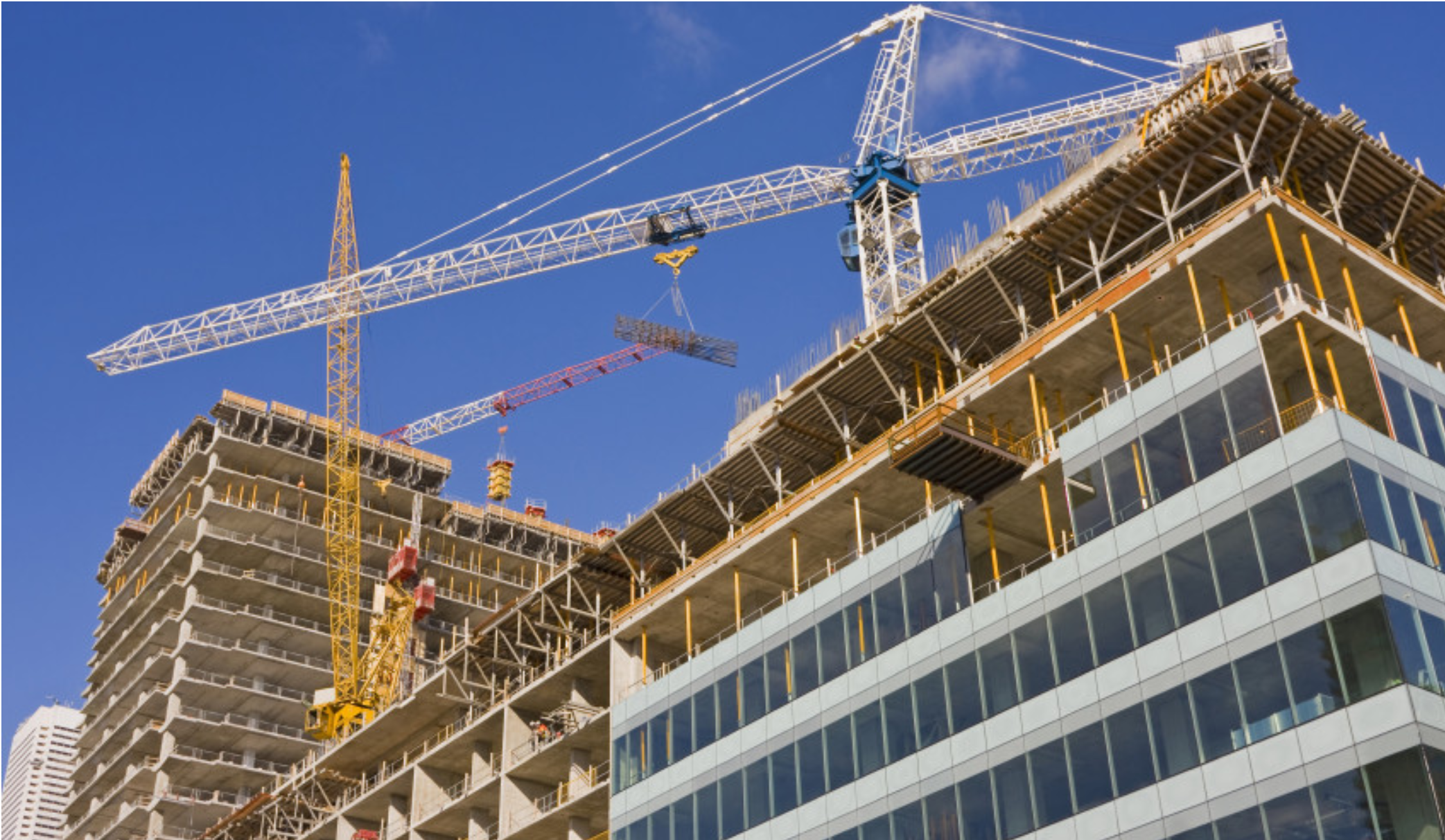 Property development can create valuable opportunities for investors, landowners, and entrepreneurs. However, turning an idea into a completed residential or commercial building requires more than finding suitable land and hiring contractors. One of the most important factors determining the success of a development project is having a reliable financing plan.
Many property projects experience delays or stop completely because the available funds are insufficient, expenses are underestimated, or financing arrangements are poorly managed. A project may have strong investment potential, but without proper financial planning, the developer may struggle to complete construction or achieve the expected returns.
Understanding Mortgage financing options, available funding sources, and effective Property investment strategies can help developers make better decisions. This article explains how to plan, secure, and manage property development financing while reducing unnecessary financial risks.
1. Determine the Total Cost of the Development Project: Before searching for funding, developers should establish how much money the entire project is likely to require.
The budget should cover land acquisition, professional services, architectural designs, approvals, construction materials, labour, transportation, utilities, and other project expenses.
It is also important to include administrative costs, insurance, financing charges, and a contingency allowance for unexpected situations.
Developers should obtain realistic quotations from qualified professionals rather than relying on rough estimates. A detailed budget provides a clearer understanding of the financial commitment and helps determine the amount of funding required.
2. Prepare a Clear Property Development Business Plan: A development project should have a well-structured business plan explaining its purpose, financial requirements, expected income, and implementation strategy.
The plan should identify the type of property being developed, its target market, expected construction period, estimated costs, and potential selling or rental income.
Developers should also examine Real estate market trends to understand demand for the proposed property.
For example, a residential development in an area with strong demand for family accommodation may have different financial prospects from a commercial project in a location with limited business activity.
A convincing business plan can also help when approaching banks, private investors, and other funding partners.
3. Explore Different Sources of Property Development Funding: Property development can be financed through several sources, depending on the developer's financial position and the size of the project.
Common options include personal savings, bank loans, private investors, joint ventures, institutional financing, and suitable property development partnerships.
Some developers may also consider carefully structured crowdfunding arrangements where legally permitted.
Each funding option has different costs, conditions, risks, and repayment expectations. Developers should compare these factors before making a commitment.
Property investment strategies should reflect the project's financial capacity rather than depending on a single funding source without considering alternatives.
4. Understand the Conditions Attached to Development Loans: Borrowing money can help developers complete projects, but loans must be evaluated carefully.
Before accepting a loan, examine the interest rate, repayment schedule, processing charges, collateral requirements, penalties, and other conditions.
Developers should understand whether repayments begin immediately or after an agreed period. They should also determine how changes in interest rates or delays in construction could affect the total financing cost.
Mortgage financing options may be useful for certain property-related projects, but not every mortgage product is designed for large-scale development.
Professional financial advice can help developers identify suitable financing arrangements and avoid borrowing under conditions they cannot comfortably manage.
5. Evaluate the Financial Contribution of Potential Investors: Working with investors can reduce the amount of personal capital required for a development project.
However, financial partnerships should be based on clear agreements. Before accepting investment, developers should establish how much each party will contribute, how profits will be shared, who will make major decisions, and how losses will be handled.
The agreement should also explain what happens when a partner fails to provide the promised funds or wishes to withdraw from the arrangement.
Property owners should conduct appropriate background checks and obtain legal advice before entering into financial partnerships.
A reliable investor relationship requires transparency, realistic expectations, and proper documentation.
6. Establish a Practical Construction Funding Schedule: Property development funds should be released according to the project's actual needs.
For example, the financial plan may divide construction into stages covering site preparation, foundation work, structural development, roofing, electrical and plumbing installations, finishing, and final inspections.
Each stage should have an estimated cost and completion target.
This approach makes it easier to monitor expenditure and identify funding shortages before they become serious problems.
Developers should avoid spending money intended for later construction stages on unrelated activities. Proper financial control can reduce delays and improve the chances of completing the project within the planned budget.
7. Manage Cash Flow Throughout the Development Process: A project can appear profitable on paper but still experience financial difficulties when cash is not available at the right time.
Developers should prepare cash flow forecasts showing when money is expected to enter and leave the project.
These forecasts should consider loan repayments, contractor payments, material purchases, professional fees, and other obligations.
Where the project depends on selling completed units, developers should avoid assuming that buyers will make payments exactly when expected.
Real estate automation and Digital property management systems can help organize financial records, track payments, and monitor project expenses.
8. Control Development Costs Without Reducing Quality: Managing expenses does not mean selecting the cheapest materials or ignoring professional standards.
Developers should obtain quotations from multiple suppliers, compare specifications, and evaluate the long-term performance of materials and equipment.
Qualified architects, engineers, quantity surveyors, and project managers can help identify areas where savings are possible without compromising safety or building quality.
Sustainable real estate practices may also reduce operating expenses through energy efficiency, responsible water use, and suitable building designs.
Home renovation ideas and design improvements should be assessed carefully when they form part of a development project, especially where they affect the expected selling price or rental income.
9. Prepare for Financial Risks and Unexpected Delays: Property development involves risks that may affect costs, construction schedules, and expected income.
Possible challenges include material price increases, changes in regulations, contractor delays, weather conditions, financing difficulties, and lower than expected market demand.
Developers should maintain contingency funds and avoid committing every available resource to the initial construction budget.
They should also review important legal documents, insurance arrangements, land ownership records, and construction contracts.
Property valuation tools can support financial assessments, while secure cloud-based real estate solutions can help organize important project documents and financial information.
10. Monitor Project Performance and Review Financial Results: Securing funding is only one part of successful property development. Developers must continue monitoring the financial performance of the project until completion.
Compare actual expenditure with the approved budget and investigate significant differences. Review construction progress, outstanding payments, loan obligations, and expected income.
If the project is intended for rental purposes, consider the likely occupancy level, operating expenses, and expected rental returns.
If the property will be sold, review buyer demand, competing developments, and the selling price required to achieve the expected return.
Regular financial reviews help developers identify problems early, make adjustments, and protect their investment.
Conclusion: Successful property development requires careful financial planning, reliable funding, and effective control of project expenses. Developers who understand their financial requirements before construction begins are better prepared to manage challenges and make informed decisions.
A strong development plan should include a realistic budget, suitable funding arrangements, clear investor agreements, practical cash flow forecasts, and contingency provisions.
It is equally important to work with qualified professionals and monitor financial performance throughout the project.
Property development can offer attractive opportunities, but profitability depends on more than the availability of capital. With proper preparation and disciplined financial management, developers can improve their chances of completing projects successfully and building sustainable real estate investments.


Comments
Post a Comment