How to Prepare Your Property for Climate-Related Risks
buymeacoffee.com/kaysogy/how-prepare-your-property-climate-related-risks
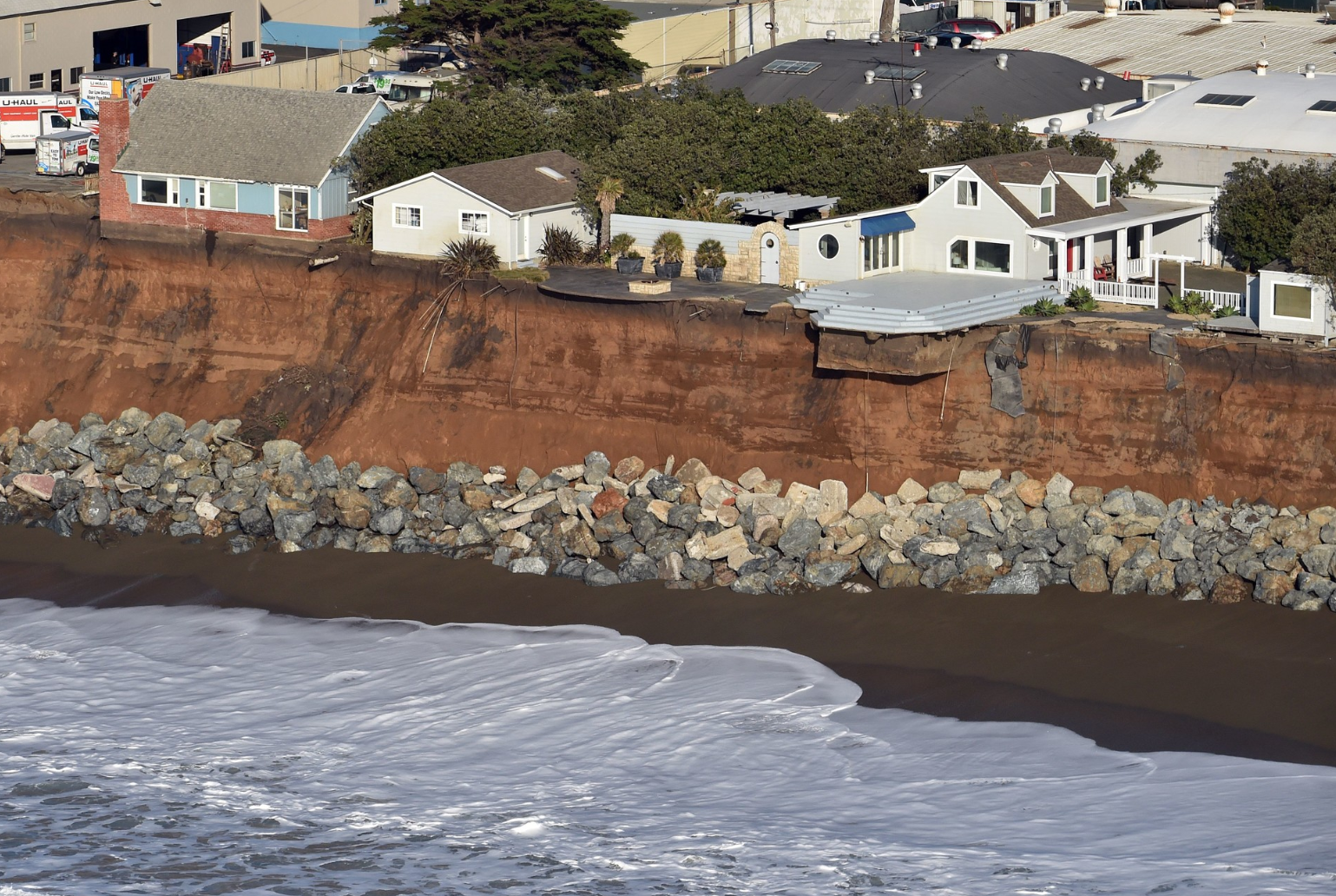 Climate-related risks are becoming an important consideration for property owners, homebuyers, landlords, and real estate investors. Heavy rainfall, flooding, extreme heat, strong winds, and other environmental events can damage buildings, increase maintenance expenses, disrupt rental income, and affect property values.
Preparing a property for these risks is not only about preventing damage. It is also about protecting occupants, reducing unexpected expenses, and preserving the property's long-term usefulness. Whether you own a family home, manage rental accommodation, or are considering a new investment, understanding local environmental conditions can help you make better decisions. This article explains practical ways to assess climate-related risks and protect your property.
1. Understand the Environmental Risks in Your Area: Start by identifying the environmental conditions that could affect your property. Some locations experience frequent flooding, while others face extreme heat, strong winds, erosion, or water shortages.
Review local weather records, flood information, drainage conditions, and reports from relevant environmental authorities. Speak with residents who understand the area's history, but verify important information through reliable sources.
Neighborhood guides can provide useful background when comparing locations, although a professional assessment may be necessary for properties exposed to significant environmental risks. Understanding these conditions before purchasing can help you avoid properties that may require expensive protective measures.
2. Inspect the Property's Drainage System: Poor drainage can lead to water entering buildings, damaging foundations, weakening surfaces, and encouraging mould growth. Inspect gutters, downpipes, surface drains, and the areas surrounding the property.
Make sure rainwater can flow away from the building without collecting near foundations or entering neighbouring properties. Remove debris from drainage channels and repair damaged gutters before the rainy season.
If the property regularly experiences flooding, consult a qualified building professional to identify the underlying cause. Simple cleaning may help with minor blockages, but persistent water problems may require improvements to the drainage design or surrounding landscape.
3. Check the Roof and External Structure: The roof and exterior walls provide important protection against severe weather. Loose roofing materials, damaged flashing, cracked walls, and poorly sealed openings can allow water to enter the building.
Arrange regular inspections, particularly before periods of heavy rainfall or strong winds. Repair damaged roof coverings, secure vulnerable components, and check that windows and doors close properly.
For older properties, a qualified professional can assess whether the structure is suitable for local weather conditions. Include these checks in your house hunting checklist when evaluating a property before purchase.
4. Improve Protection Against Flooding: Properties in flood-prone locations may require additional protective measures. Depending on the building and local conditions, these may include improving drainage, installing appropriate water barriers, protecting ground floor openings, or raising vulnerable electrical equipment above likely water levels.
Before making changes, obtain professional advice to ensure that the measures are suitable and do not redirect water toward neighbouring properties.
Review the property's history and investigate whether previous flooding caused structural damage or contamination. Property valuation tools can help with financial comparisons, but they do not replace environmental assessments when determining a property's exposure to flooding.
5. Prepare for Extreme Heat: High temperatures can make indoor spaces uncomfortable, increase energy consumption, and place additional pressure on cooling systems. Properties with poor ventilation or limited shade may be especially difficult to manage during hot weather.
Consider improving roof insulation, using appropriate window coverings, planting suitable shade trees, and increasing natural ventilation where practical. Energy-efficient fans and cooling equipment may also help reduce indoor heat.
Sustainable real estate improvements can support comfort while controlling energy use. Before undertaking major renovations, compare the cost of the improvements with their expected benefits and ensure that the proposed changes suit the local climate.
6. Protect Water and Electricity Systems: Severe weather can disrupt electricity supplies, damage water systems, and affect essential household services. Inspect exposed pipes, electrical installations, backup power equipment, and water storage facilities.
Use qualified technicians for electrical work and ensure that backup power systems are installed safely. If your property depends on a private water source, maintain suitable storage and investigate alternative supplies where necessary.
Smart home technology can help monitor temperature, detect certain water leaks, and provide alerts about equipment problems. Choose reliable devices and test them regularly so that they remain useful when conditions become difficult.
7. Review Insurance and Financial Protection: Property insurance can help reduce the financial impact of certain unexpected events, but coverage varies by policy and location. Review your existing policy to understand what types of damage are covered, which exclusions apply, and what excess payments you may need to make.
Ask your insurer or broker whether flooding, storm damage, or other relevant environmental risks are covered. Do not assume that every weather-related event is automatically included.
Include insurance premiums, preventive maintenance, and emergency repairs in your property budget. Strong property investment strategies account for potential losses as well as expected income and appreciation.
8. Create a Property Emergency Plan: A practical emergency plan can help occupants respond quickly when severe weather threatens the property. Identify safe exits, emergency contacts, important documents, and the location of water and electricity shutoff points.
Keep essential supplies available where appropriate and make sure household members or tenants understand what to do during an emergency. Property owners should also establish a process for communicating urgent instructions and arranging repairs.
For rental property management, maintain updated contact details for tenants and trusted service providers. Store important records securely so that they remain accessible if physical documents are damaged.
9. Maintain the Property Throughout the Year: Climate preparation should be an ongoing responsibility rather than a task performed only when severe weather is forecast. Schedule regular checks of roofing, drainage, exterior walls, trees, fences, and other vulnerable features.
Keep records of inspections, repairs, and recurring problems. Digital property management systems can help organize maintenance schedules, contractor details, photographs, and expense records.
Cloud-based real estate solutions may also allow property owners and managers to access records remotely. Protect these records with appropriate real estate data security measures, including strong passwords and secure backups.
10. Consider Climate Risks Before Future Property Purchases: When buying property, investigate more than its appearance, price, and location. Consider flood exposure, water availability, local temperatures, drainage infrastructure, building quality, and the environmental conditions expected over the property's intended holding period.
Study real estate market trends, consult qualified surveyors where necessary, and ask relevant authorities about known risks and planned infrastructure improvements. A property that appears affordable may become expensive if it requires repeated repairs or faces recurring environmental damage.
Include potential maintenance costs and insurance limitations in your financial calculations. Choosing a property with suitable construction, reliable infrastructure, and manageable environmental risks can help protect your investment over time.
Conclusion: Preparing a property for climate-related risks can protect occupants, reduce repair costs, and support long-term property value. Effective preparation begins with understanding local environmental conditions and continues through regular inspections, drainage improvements, structural maintenance, insurance reviews, and emergency planning.
Property owners and investors should also consider environmental exposure before purchasing a new property. By combining practical maintenance with informed property investment strategies and suitable technology, you can make better decisions and improve your property's ability to withstand changing weather conditions.


Comments
Post a Comment