How to Prepare a Property for Different Types of Weather
buymeacoffee.com/kaysogy/how-prepare-property-different-types-weather
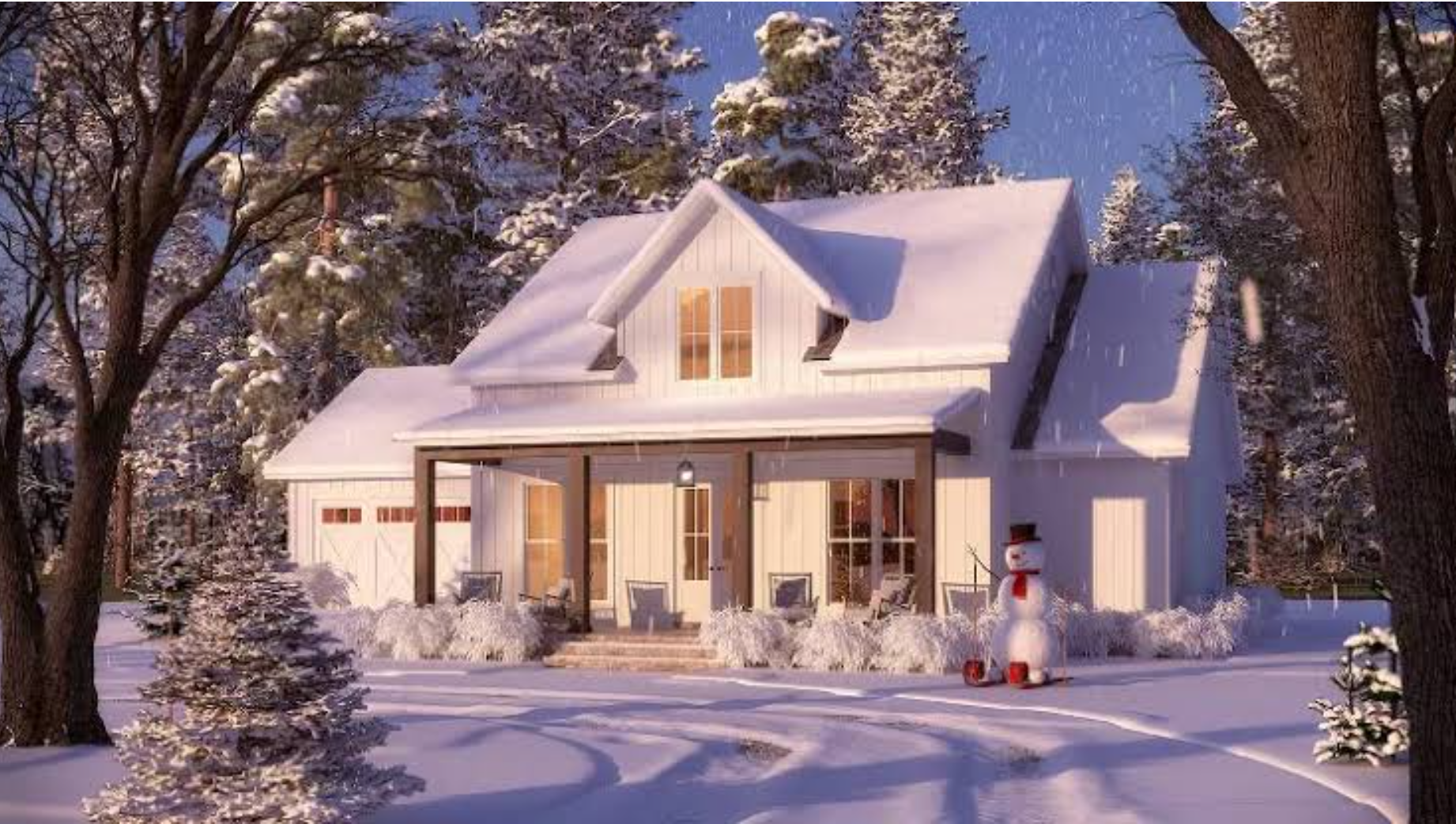 Weather can have a significant effect on the condition, comfort, and long-term value of a property. Heavy rain, strong winds, extreme heat, humidity, and other weather conditions can place pressure on roofs, walls, drainage systems, windows, electrical equipment, and outdoor areas. Preparing a property for different weather conditions can reduce avoidable damage and help owners maintain a safer and more comfortable building. A proactive approach also supports better property management and can reduce the financial impact of weather-related problems.
1. Understand the Weather Conditions in Your Area: Every location has its own weather patterns. Property owners should understand the conditions that commonly affect their area, including periods of heavy rainfall, high temperatures, strong winds, or excessive humidity. This knowledge can help owners determine which parts of the property require greater attention.
2. Check the Roof Before Difficult Weather: The roof provides important protection against rain, heat, and wind. Owners should look for damaged roofing materials, blocked gutters, loose fittings, and areas where water may enter. Addressing small problems early can reduce the possibility of more expensive damage later.
3. Keep Drainage Systems Clear: Good drainage is particularly important during periods of heavy rainfall. Gutters, drains, downpipes, and surrounding channels should be kept free from leaves, rubbish, and other blockages. Proper drainage helps direct water away from the building and can reduce the risk of flooding and water damage.
4. Protect Walls and Windows: Walls and windows can be affected by rain, moisture, heat, and strong winds. Check for cracks, damaged seals, peeling finishes, or other weaknesses that could allow moisture to enter. Timely repairs can help preserve the condition of the building and reduce future maintenance costs.
5. Manage Indoor Humidity: Excessive moisture inside a property can contribute to unpleasant odors, damaged finishes, and other problems. Good ventilation can help control indoor humidity. In areas where humidity is consistently high, suitable ventilation equipment may also improve indoor comfort and protect the condition of the property.
6. Prepare for Extreme Heat: Hot weather can affect both people and building materials. Proper ventilation, shading, insulation, and energy-efficient equipment can help maintain comfortable indoor temperatures. Smart home technology can also help property owners monitor temperature and energy consumption more efficiently.
7. Protect Outdoor Areas: Trees, fences, gates, outdoor furniture, drainage channels, and other external features should be checked before periods of severe weather. Weak branches or damaged structures can become hazards during strong winds. Regular attention to outdoor areas can reduce potential damage and improve safety around the property.
8. Protect Electrical and Electronic Equipment: Water and electrical systems can create serious risks when they come into contact. Property owners should ensure that electrical installations are properly maintained and protected from moisture. Sensitive electronic equipment should also be kept away from areas that may experience water exposure.
9. Prepare Tenants for Weather-Related Risks: Landlords should communicate important weather preparation information to tenants. This may include instructions about drainage, windows, electrical equipment, emergency contacts, and reporting property damage. Good rental property management includes helping tenants understand how to respond when weather conditions create potential risks.
10. Include Weather Preparation in Your Long-Term Property Plan: Weather preparation should not only happen immediately before a storm or extreme weather event. Property owners should include climate and weather considerations in long-term planning. Sustainable real estate practices, appropriate materials, regular inspections, and timely improvements can help properties remain more resilient. Remote property inspections may also be useful for owners who cannot always visit their properties personally.
Conclusion: Preparing a property for different types of weather can help protect the building, reduce avoidable repairs, and improve the comfort of occupants. Roofs, drainage systems, walls, windows, electrical installations, outdoor areas, and ventilation should all receive appropriate attention. By combining practical preparation with sustainable real estate practices, smart home technology, and responsible rental property management, property owners can make their properties more resilient and better prepared for changing weather conditions.


Comments
Post a Comment