How to Manage a Property Development Project From Start to Finish
https://buymeacoffee.com/kaysogy/how-manage-property-development-project-from-start-finish
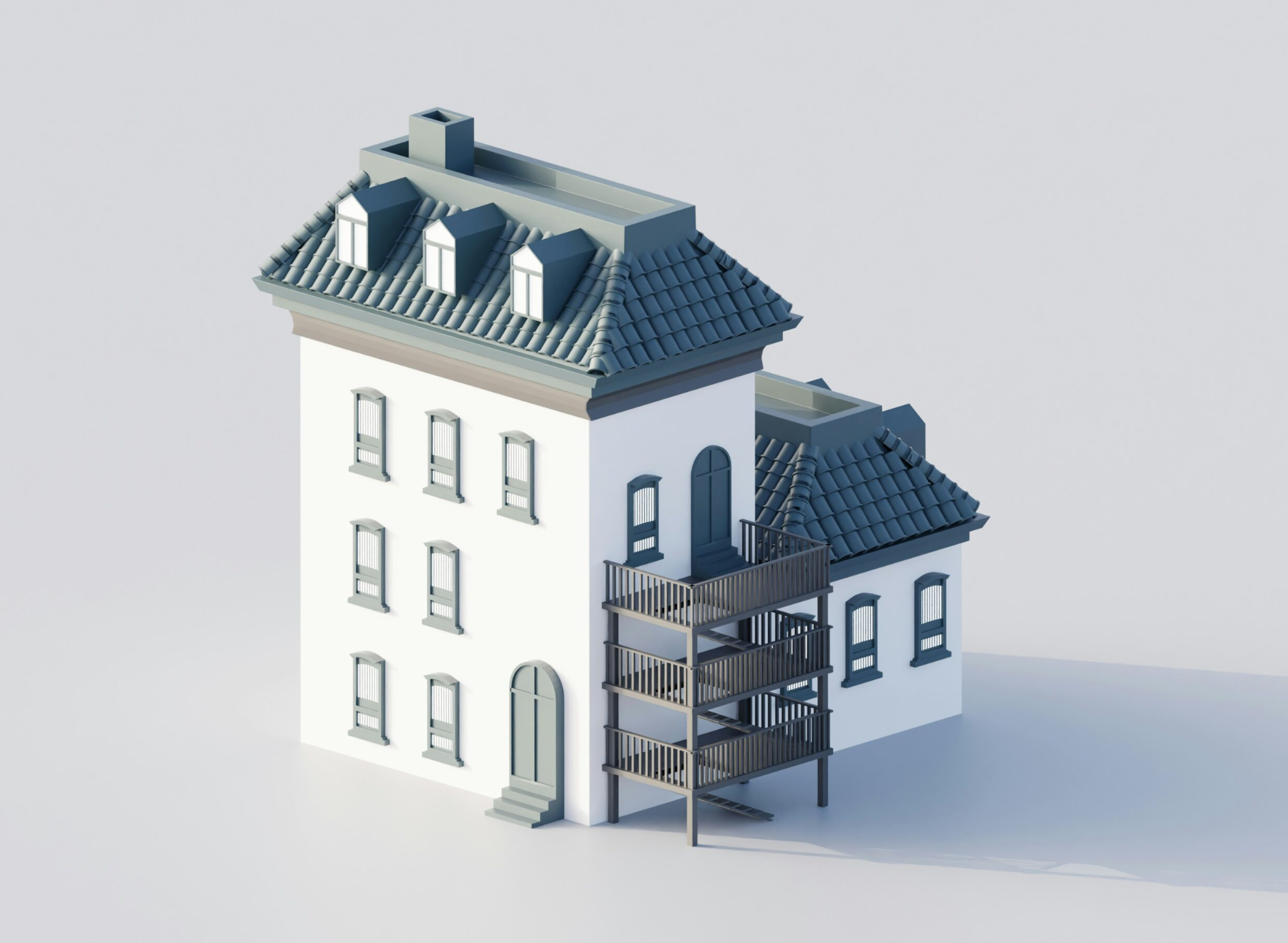 Property development can create valuable opportunities for homeowners, investors, and entrepreneurs, but turning an idea into a completed building requires careful planning and coordination. From selecting a suitable site to obtaining approvals, managing contractors, controlling costs, and completing the final work, every stage requires attention. Poor planning can lead to delays, unexpected expenses, and disappointing results. A structured approach to property development helps owners make informed decisions, use resources responsibly, and improve the chances of completing a successful project.
1. Establish Clear Project Objectives: Every successful development project begins with a clear purpose. Decide whether the property will be used as a family home, rental accommodation, commercial space, or a property for sale. The intended purpose will influence the design, budget, location, materials, and facilities required. Clear objectives also help prevent unnecessary changes during construction.
2. Assess the Development Site: Before beginning construction, evaluate the suitability of the land. Consider access roads, drainage, soil conditions, nearby infrastructure, available utilities, and the surrounding environment. Professional site assessments can reveal challenges that may affect the design or cost of the project. Buyers should also verify ownership and relevant land documentation before committing significant funds.
3. Prepare a Realistic Project Budget: A property development budget should cover more than building materials and labour. Include professional fees, permits, site preparation, transportation, utilities, equipment, and other relevant expenses. It is also sensible to reserve funds for unexpected costs. Careful budgeting supports stronger property investment strategies and reduces the risk of running out of money before completion.
4. Appoint Qualified Professionals: Property development often involves architects, engineers, quantity surveyors, contractors, consultants, and other specialists. Choose professionals with relevant experience, appropriate qualifications, and a reliable record of delivering projects. Clearly define each person's responsibilities to improve coordination and reduce confusion throughout the development process.
5. Obtain the Necessary Approvals: Construction must comply with applicable planning rules, building regulations, and other legal requirements. Before work begins, identify the approvals and permits required for the specific project and location. Qualified professionals can help interpret technical requirements, while legal advisers can assist with relevant property documentation and contractual matters.
6. Create a Detailed Construction Schedule: A construction schedule identifies the tasks that must be completed and the order in which they should happen. It can cover site preparation, foundations, structural work, roofing, installations, finishing, and final inspections. A realistic schedule helps the project team coordinate workers, arrange material deliveries, and identify delays before they affect the entire project.
7. Monitor Costs and Construction Quality: Regular monitoring helps ensure that work meets the agreed specifications and remains within budget. Owners should review progress reports, invoices, material purchases, and approved changes. Independent professional inspections at appropriate stages can help identify defects before they become more difficult or expensive to correct.
8. Manage Materials and Suppliers Efficiently: Reliable suppliers and timely deliveries are important to maintaining construction progress. Compare material quality, prices, availability, and delivery conditions before making purchasing decisions. Keep records of orders, payments, and deliveries so that shortages, discrepancies, and unexpected price changes can be addressed promptly.
9. Use Digital Tools to Coordinate the Project: Digital tools can simplify project communication, documentation, scheduling, and financial tracking. Cloud-based real estate solutions allow authorized team members to access relevant plans and records, while real estate mobile apps can support communication when working across different locations. Real estate automation may also help with reminders and routine administrative tasks. Appropriate real estate data security practices are essential when storing contracts and financial documents online.
10. Complete Final Inspections and Handover: Before considering the project complete, check that the work meets the agreed specifications and applicable requirements. Address outstanding defects, collect warranties and certificates where applicable, organize operation manuals, and confirm that important utilities and systems function properly. For developments intended for rental, effective rental property management should begin with accurate records and a clear plan for ongoing operations.
Conclusion: Managing a property development project successfully requires clear objectives, suitable site selection, realistic budgeting, qualified professionals, regulatory compliance, and consistent supervision. Careful scheduling, quality control, reliable suppliers, and effective communication can help reduce delays and unnecessary expenses. By combining sound project management with digital property management, practical financial planning, and appropriate professional guidance, property owners can improve the likelihood of completing developments that meet their intended purpose and deliver lasting value.


Comments
Post a Comment