How to Make Informed Decisions When Buying Property at Auction
buymeacoffee.com/kaysogy/how-make-informed-decisions-when-buying-property-auction
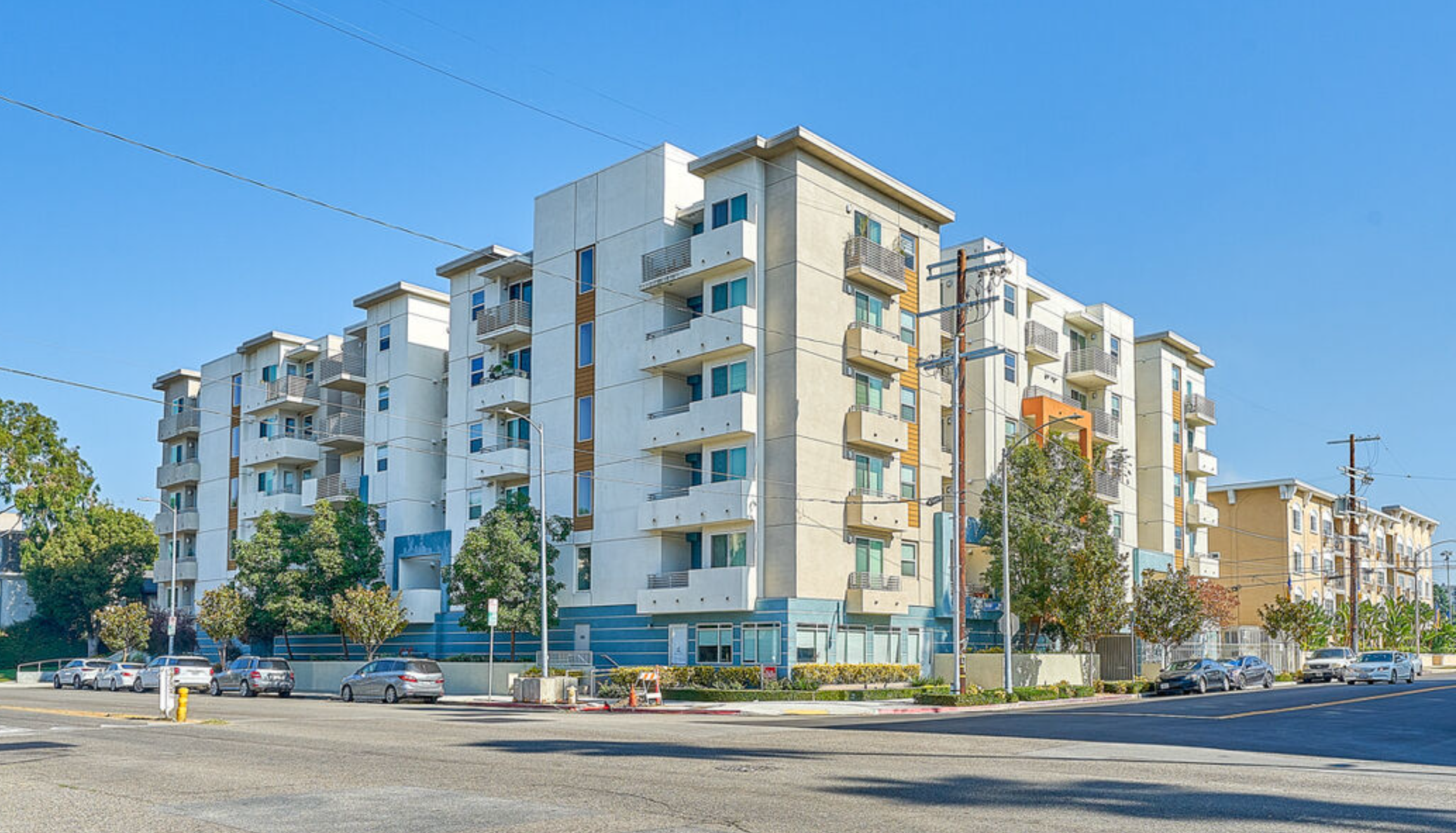 Buying property at auction can provide opportunities for homebuyers and investors to find properties at competitive prices. Auctions may include residential houses, commercial buildings, land, and properties being sold by financial institutions or other owners. However, the process can be different from a traditional property purchase, and buyers often need to make decisions within a limited period.
Although an auction property may appear affordable, the final cost can include legal fees, outstanding charges, repairs, and other expenses that are not immediately obvious. Some properties may also have occupancy issues or legal restrictions that require careful investigation. Understanding the auction process, researching the property, and setting a realistic budget can help you avoid costly mistakes and make better property investment decisions.
1. Understand How Property Auctions Work: Before participating in an auction, learn how the process operates in your location. Some auctions take place in person, while others are conducted online. Each may have different registration requirements, bidding procedures, payment deadlines, and conditions of sale.
Find out whether you must pay a registration fee or deposit before bidding. Review the rules carefully so you understand when a bid becomes binding and what happens if you cannot complete the purchase.
Property auctions can move quickly, but preparation should begin well before the bidding date. Knowing the process helps you avoid making commitments you do not fully understand.
2. Research the Property Before Bidding: Never bid on a property based solely on attractive photographs or a low advertised price. Obtain as much information as possible about its location, physical condition, ownership history, and intended use.
Use online property listings and neighborhood guides to compare similar properties in the area. Research local amenities, transport links, security, employment opportunities, and future development plans.
Real estate market trends can help you understand demand and potential resale opportunities. However, the value of an auction property should be based on reliable evidence rather than assumptions about future price increases.
3. Arrange an Independent Property Inspection: Whenever access is available, inspect the property before deciding how much to bid. Look for visible structural damage, roof problems, dampness, drainage issues, damaged electrical systems, and signs of poor maintenance.
If you are not experienced in assessing buildings, hire a qualified surveyor or building professional. The cost of an inspection may be small compared with the expense of discovering serious defects after purchase.
Remote property inspections may help you review a property when you cannot visit immediately, but photographs and virtual tours cannot reveal every problem. If an inspection is not possible, treat the uncertainty as a financial risk and consider whether the purchase is still worthwhile.
4. Verify Ownership and Legal Documents: Legal checks are especially important when buying property at auction. Review the title documents, survey information, conditions of sale, and any restrictions affecting the property.
Ask a qualified property lawyer to investigate ownership, outstanding claims, unpaid charges, occupancy rights, and other matters that could affect your ability to use or sell the property. Confirm whether the property can legally be used for your intended purpose.
Do not assume that an auction listing guarantees that every legal issue has been resolved. Understand exactly what rights and responsibilities you will acquire before placing a bid.
5. Calculate Your Maximum Bidding Price: Set a maximum bid before the auction begins and avoid exceeding it because of competition or excitement. Your limit should reflect the property's realistic value and the total cost of acquiring and preparing it for use.
Include the purchase price, auction fees, legal expenses, taxes, insurance, repairs, and any outstanding obligations that you may be required to settle. Property valuation tools can provide an initial estimate, but professional assessments and comparable sales offer important additional evidence.
For investment purchases, estimate the likely rental income or resale value after expenses. Strong property investment strategies rely on realistic financial calculations rather than the hope of securing a bargain.
6. Arrange Financing Before the Auction: Auction payment deadlines may be shorter than those associated with ordinary property transactions. Confirm how much money must be paid immediately and when the remaining balance is due.
If you plan to use mortgage financing options, speak with your lender before bidding. Confirm that the lender can finance the specific property type and complete the necessary checks within the required timeframe.
Some properties may not qualify for standard mortgage financing because of their condition, legal status, or other restrictions. Make sure you understand the consequences of failing to complete the purchase, including the possible loss of a deposit or other contractual penalties.
7. Investigate Occupancy and Possession Conditions: A property may be sold with existing tenants, occupants, or other possession arrangements. These circumstances can affect when you can move in, renovate, or begin collecting rent.
Find out whether the property will be vacant at completion or whether existing occupancy arrangements will continue. Review any tenancy agreements and seek legal advice about your rights and responsibilities.
If you intend to use the property for rental property management, calculate how occupancy conditions could affect income and operating expenses. Never assume that you can immediately remove occupants or change the use of the property without following the applicable law.
8. Estimate Repairs and Renovation Costs: Some auction properties require significant work before they can be occupied or rented out. Prepare a list of necessary repairs and obtain professional estimates where possible.
Separate essential repairs, such as structural or safety improvements, from optional upgrades that can be completed later. Home renovation ideas may improve the property's appeal, but the cost of improvements should be supported by evidence of likely market demand.
Include a contingency fund for unexpected problems. If the total cost of purchasing and renovating the property exceeds your budget or expected value, be prepared to walk away.
9. Prepare a Clear Bidding Strategy: Decide in advance how you will participate in the auction. You may choose to bid in person, appoint an authorized representative, or use an online platform, depending on the auction's rules.
Stay focused on your maximum price and avoid treating the auction as a competition with other bidders. Their financial circumstances, renovation plans, and willingness to accept risk may differ from yours.
For online auctions, verify that the platform is legitimate and understand how bids are recorded. Keep copies of registration details, payment instructions, and the final sale documentation. Digital property management and secure record-keeping can help you organize the documents required after a successful purchase.
10. Plan Your Next Steps After Winning: Winning an auction is only the beginning of the completion process. Review the sale conditions immediately and meet all payment, documentation, and legal deadlines.
Arrange insurance when appropriate, confirm the completion process, and plan for any necessary repairs or property management. Keep accurate records of the purchase price, fees, taxes, inspections, and renovation expenses.
If you intend to rent out the property, prepare a realistic management plan covering tenant selection, maintenance, rent collection, and applicable legal requirements. Protect digital records with strong real estate data security practices, especially when storing financial information and ownership documents.
Conclusion: Buying property at auction can create opportunities for homebuyers and investors, but success depends on careful preparation and disciplined decision-making. Researching the property, verifying legal documents, arranging financing, estimating repair costs, and setting a maximum bid can help reduce the risks associated with auction purchases.
Use property valuation tools and real estate market trends to support your assessment, and seek independent legal and professional advice when necessary. Most importantly, don't let the excitement of bidding override your financial plan. A property is a worthwhile investment only when its legal status, total cost, condition, and future potential align with your objectives.


Comments
Post a Comment