How to Assess the Potential of Properties Near New Infrastructure Projects
buymeacoffee.com/kaysogy/how-assess-potential-properties-near-new-infrastructure-projects
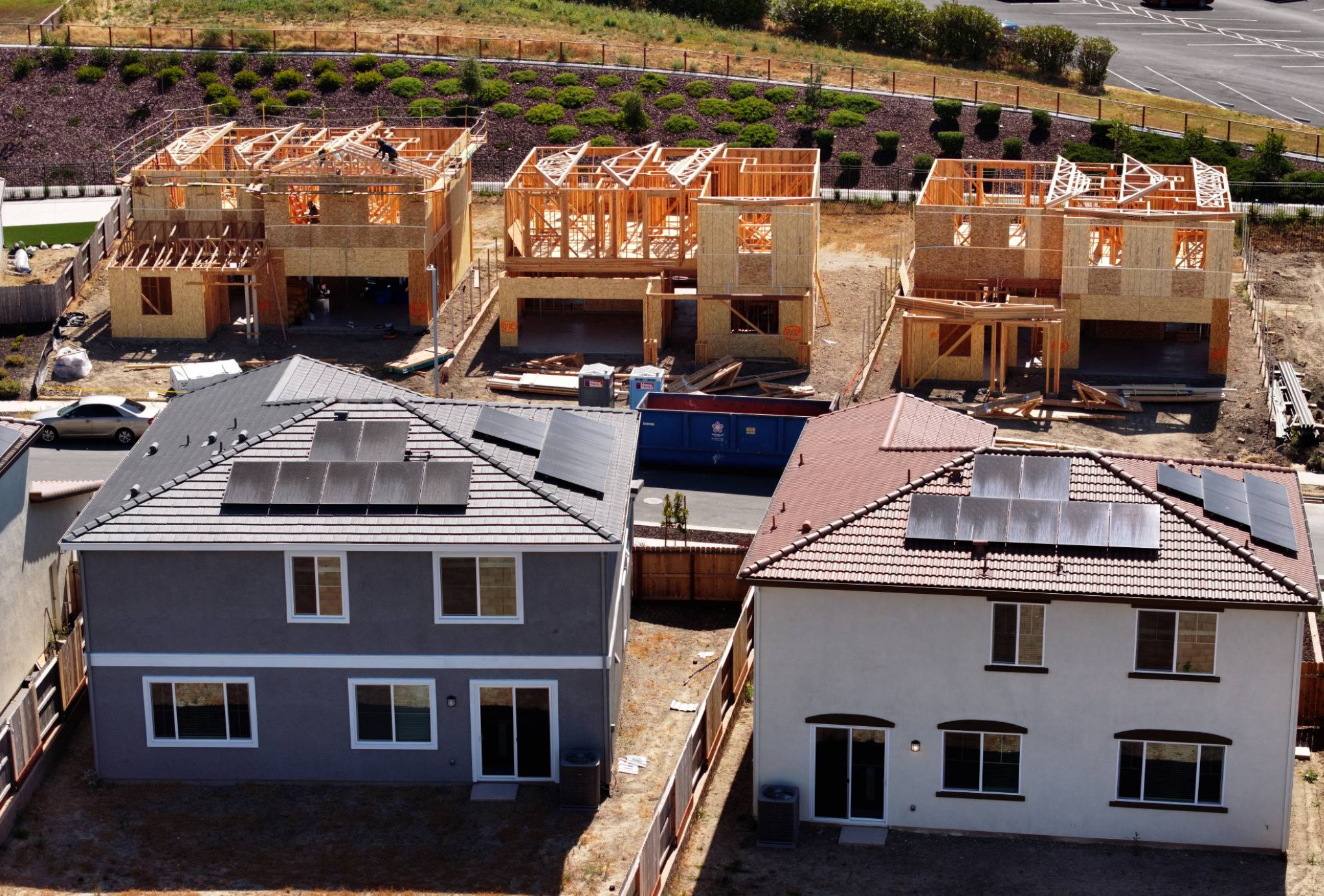 Infrastructure projects can significantly influence the value and attractiveness of nearby properties. New roads, bridges, railway stations, airports, hospitals, and commercial centres may improve accessibility, create employment opportunities, and encourage business growth. For property buyers and investors, these developments can present opportunities, but they can also introduce risks that require careful consideration.
Buying property simply because a new infrastructure project has been announced can be a costly mistake. Projects may experience delays, change direction, or fail to generate the expected economic benefits. Successful investors look beyond announcements and examine the facts before making a commitment. By combining local research, property valuation tools, and sound property investment strategies, buyers can make more informed decisions about properties located near planned infrastructure.
1. Identify the Type of Infrastructure Project: Start by understanding the nature of the proposed development. A new highway may improve access to business districts, while a railway station could make an area more attractive to commuters. Hospitals, educational institutions, and industrial facilities may also create demand for nearby housing and commercial properties.
Consider who is likely to benefit from the project and how it may influence everyday activities. The impact of a transport project may differ from that of a shopping centre or a new industrial estate. Understanding the project's purpose helps you identify the types of property most likely to benefit.
2. Verify the Project's Current Status: Do not rely entirely on social media posts, informal conversations, or advertisements from property agents. Confirm whether the project is officially approved, funded, under construction, or still at the proposal stage.
Check announcements from relevant government agencies, planning authorities, and project developers. Where possible, review published budgets, construction schedules, and progress reports. A project that has secured funding and begun construction may offer a different level of certainty from one that exists only as a proposal.
This verification is an essential part of responsible home buying tips and property investment research.
3. Study the Existing Neighborhood: Before estimating future growth, understand the area's current condition. Examine road access, drainage, electricity, water supply, security, schools, healthcare facilities, and nearby commercial activities.
Neighborhood guides and local property research can help you compare the area with other locations that have similar infrastructure. Speak with residents and business owners to learn about existing challenges and whether the proposed project is likely to address them.
An area with established services and a functioning local economy may offer a more balanced investment opportunity than a location that depends entirely on one future development.
4. Examine the Potential Effect on Property Values: Infrastructure improvements can increase property demand, but the effect is not automatic. Property prices may already reflect expectations about the project, particularly when investors have been buying in anticipation of future growth.
Use property valuation tools to compare recent sales, rental prices, and similar properties in surrounding areas. Consider whether the asking price is reasonable given the project's actual progress and the property's present condition.
Real estate market trends can provide useful context, but avoid assuming that every property near new infrastructure will appreciate at the same rate. The specific location, property type, accessibility, and existing demand all matter.
5. Investigate Future Rental Demand: New infrastructure can attract workers, businesses, students, commuters, and families. These groups may increase demand for different types of accommodation and commercial space.
Identify the people most likely to need property in the area. For example, a new hospital may create demand for apartments for healthcare workers, while a transport hub may attract small businesses and rental housing for commuters.
Review online property listings to compare available units, rental rates, and vacancy levels. If you are considering rental property management, estimate realistic income and expenses rather than relying on optimistic projections.
6. Assess Possible Disruptions and Environmental Risks: Infrastructure projects can create temporary or permanent disadvantages for nearby property owners. Construction may cause noise, dust, traffic congestion, and restricted access. Once completed, a highway or industrial facility may increase noise pollution or affect the surrounding environment.
Investigate drainage patterns, flood risks, waste management, air quality, and the distance between the property and major transport routes. Consider whether construction could damage access roads or disrupt businesses for an extended period.
Sustainable real estate decisions should account for environmental conditions and the long-term comfort of residents, not just the possibility of higher property prices.
7. Confirm Land Ownership and Planning Restrictions: Infrastructure projects may require land acquisition, road widening, utility corridors, or changes to existing land use. These activities can affect property boundaries and future development opportunities.
Before buying, verify the property's ownership documents, survey information, planning status, and any notices relating to compulsory acquisition or development restrictions. Consult a qualified property lawyer and the appropriate land or planning authority where necessary.
Do not assume that a property is safe to purchase simply because it has an attractive price or is being promoted as a future investment hotspot. Proper legal checks can help protect your capital.
8. Calculate the Full Cost of Investing: A property near new infrastructure may command a premium even before the project is completed. Your financial assessment should include the purchase price, taxes, legal fees, renovation expenses, financing costs, insurance, and ongoing maintenance.
Compare the expected rental income or resale value with the total amount invested. Mortgage financing options should also be assessed carefully, especially if construction delays could affect your ability to generate income.
Prepare conservative, moderate, and optimistic financial estimates. This approach helps you understand how the investment might perform under different market conditions.
9. Monitor Construction Progress and Market Changes: Infrastructure projects can take years to complete, and their timelines may change. Keep track of official updates, construction milestones, planning decisions, and new businesses entering the area.
Real estate mobile apps can help you monitor property listings and changing prices, while digital property management systems can support the organization of documents and investment records. Cloud-based real estate solutions may also make it easier to review information from different locations.
Use reliable sources when making decisions, and protect your financial and personal information through appropriate real estate data security practices.
10. Create a Flexible Long-Term Investment Plan: Your investment plan should not depend on a single infrastructure project delivering every expected benefit. Consider other factors that could support property demand, including employment opportunities, population growth, local services, and the strength of the wider economy.
Decide whether you intend to rent out the property, occupy it, renovate it, or sell it in the future. Keep sufficient funds available for unexpected expenses and be prepared to adjust your strategy if the project is delayed or market conditions change.
A flexible plan reduces dependence on uncertain predictions and helps you make decisions based on the property's overall value rather than excitement about future development.
Conclusion: Properties near new infrastructure projects can provide investment opportunities when improved accessibility and economic activity create genuine demand. However, successful investing requires more than predicting where development will occur. Buyers must verify project progress, understand local conditions, examine legal restrictions, assess environmental risks, and calculate realistic financial returns.
By using property valuation tools, studying real estate market trends, and applying disciplined property investment strategies, investors can separate promising opportunities from speculative risks. Careful research and a flexible long-term plan can help you make property decisions that remain sensible even when infrastructure projects or market conditions do not develop as expected.


Comments
Post a Comment