How to Plan a Successful Property Renovation Without Overspending
https://buymeacoffee.com/kaysogy/how-plan-successful-property-renovation-without-overspending
``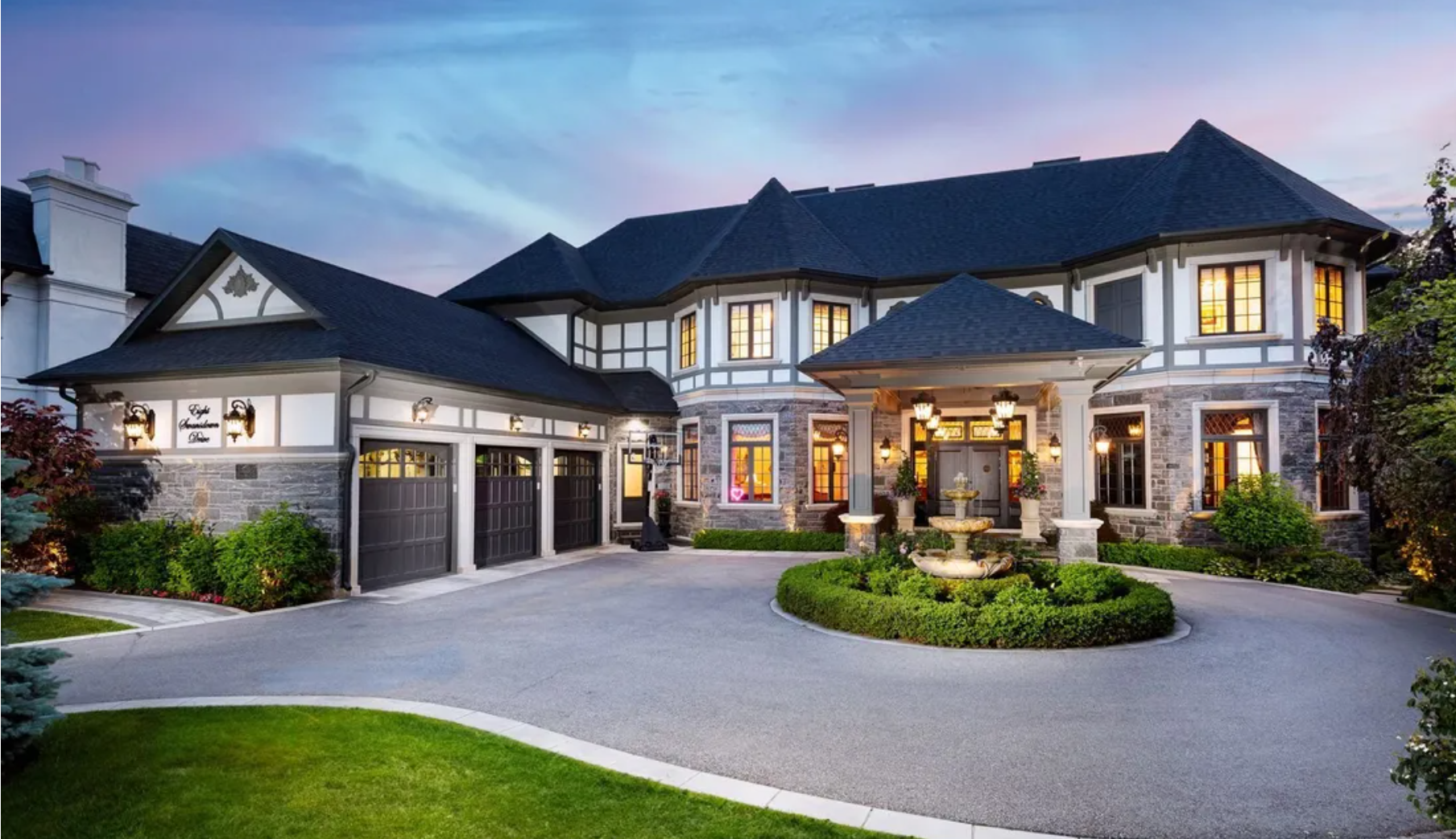 Property renovation can improve comfort, functionality, appearance, and long-term value. However, renovation projects can become expensive when they are not properly planned.
Many property owners begin renovations without establishing a clear budget, identifying priorities, or understanding the condition of the property. This can result in unexpected expenses, delays, and unfinished work.
A successful renovation requires careful planning from the beginning. Whether you are improving your family home, preparing a property for sale, or upgrading a rental property, the focus should be on improvements that provide meaningful value.
Here are practical ways to plan a successful property renovation without overspending.
1. Define Your Renovation Goals: Before starting any work, decide exactly what you want to achieve.
Are you renovating to improve your family's comfort, attract tenants, increase resale value, or correct maintenance problems?
Clear goals make it easier to determine which projects deserve priority.
Home renovation ideas should support your main objectives rather than encourage unnecessary spending.
2. Inspect the Property Before Renovating: A renovation should begin with a proper assessment of the property's condition.
Check the roof, foundation, plumbing, electrical systems, walls, floors, doors, windows, drainage, and other important areas.
Addressing structural or safety problems should generally take priority over purely cosmetic improvements.
A professional inspection can help identify problems that may not be obvious during a normal walkthrough.
3. Create a Realistic Budget: Establish a renovation budget before purchasing materials or hiring contractors.
List expected costs for materials, labour, transportation, professional services, permits where applicable, and other expenses.
Include a reasonable allowance for unexpected problems because renovation projects can sometimes reveal issues that were not visible initially.
A realistic budget can help prevent financial pressure during the project.
4. Prioritize Essential Improvements: Not every improvement needs to be completed at the same time.
Separate the project into essential repairs, important upgrades, and optional improvements.
For example, repairing a leaking roof or faulty electrical system may be more important than installing expensive decorative features.
Prioritizing work helps you use available funds where they provide the greatest practical benefit.
5. Compare Materials and Contractors: Prices for materials and professional services can vary considerably.
Obtain quotations from several suitable contractors and compare what each quotation includes.
Do not choose a contractor based solely on the lowest price. Consider experience, previous work, communication, reliability, and the quality of materials being proposed.
The goal is to achieve reasonable value while maintaining appropriate standards.
6. Consider Energy Efficient Improvements: Renovation can provide an opportunity to reduce future operating costs.
Consider energy efficient lighting, appliances, ventilation, insulation, water saving fixtures, and other improvements that suit the property.
These upgrades can support Sustainable real estate goals and may improve comfort over time.
Smart home technology can also be introduced where it provides genuine convenience, security, or energy management benefits.
7. Avoid Unnecessary Changes: One common cause of renovation overspending is changing features that are already functional.
Before replacing something, ask whether the replacement provides a meaningful improvement.
For example, repainting a sound surface may be more practical than completely replacing it.
Focus on improvements that solve problems, improve functionality, or support your property's long term objectives.
8. Keep Proper Records Throughout the Project: Maintain records of quotations, payments, materials, contractor details, invoices, photographs, and completed work.
Digital property management tools can make it easier to organize these records.
Cloud based real estate solutions can also provide secure access to important documents from different locations.
Good records can be useful when reviewing project costs or planning future maintenance.
9. Consider the Property's Future Value: If you are renovating an investment property, consider how the improvements may affect its future appeal and value.
Study Real estate market trends and compare similar properties in the area.
Property valuation tools can provide useful preliminary information when considering the potential effect of improvements.
For rental properties, consider whether the renovation will improve tenant demand or reduce ongoing maintenance costs.
Your Property investment strategies should guide major renovation decisions.
10. Monitor the Project Until Completion: Do not assume that a renovation will remain within budget simply because a budget was created.
Monitor progress, spending, materials, and changes throughout the project.
Communicate regularly with contractors and address problems as soon as they appear.
If you manage the property remotely, Remote property inspections and Real estate mobile apps can help you monitor progress and maintain communication although important construction decisions may still require appropriate physical inspection.
Conclusion: A successful property renovation does not necessarily require a large budget. It requires clear goals, careful planning, realistic budgeting, proper inspection, sensible material choices, and close monitoring.
Property owners should prioritize essential improvements before cosmetic upgrades and avoid spending money on features that provide little practical benefit.
By combining Home renovation ideas with careful budgeting, Sustainable real estate principles, Digital property management, and appropriate technology, property owners can improve their properties while keeping costs under better control.
The best renovation is not necessarily the most expensive one. It is the one that solves important problems, improves the property, and provides lasting value.


Comments
Post a Comment