How to Make Your Property More Energy Efficient
buymeacoffee.com/kaysogy/how-make-your-property-more-energy-efficient
 Energy efficiency has become an important consideration for homeowners, landlords, and property investors. A property that uses energy efficiently can provide greater comfort, reduce utility expenses, and become more attractive to future buyers or tenants. Improving energy performance does not always require expensive construction work. Many practical changes can produce meaningful results when they are planned carefully. From better lighting and insulation to efficient appliances and smart technology, homeowners have several ways to reduce unnecessary energy consumption. This article explores practical steps for making a property more energy efficient while protecting its long-term value.
1. Understand Your Property's Energy Use: Before making improvements, identify where most of your energy is being consumed. Review electricity bills and examine lighting, appliances, heating, cooling, water systems, and other major energy users. Understanding your current consumption makes it easier to decide which improvements should receive priority.
2. Upgrade to Energy-Efficient Lighting: Replacing traditional bulbs with LED lighting is one of the simplest ways to reduce electricity consumption. LED bulbs generally use less energy and have a longer operating life. They are suitable for bedrooms, kitchens, bathrooms, outdoor areas, and security lighting.
3. Improve Insulation: Poor insulation can cause a property to lose or gain heat unnecessarily. Improving insulation in suitable areas can help maintain a more comfortable indoor temperature while reducing the workload on cooling or heating equipment. This is an important part of sustainable real estate planning.
4. Choose Efficient Appliances: Older appliances can consume significant amounts of electricity. When replacing refrigerators, washing machines, air conditioners, water heaters, or other major appliances, consider energy-efficient models. Lower operating costs can make the property more attractive to both homeowners and tenants.
5. Install Smart Home Technology: Smart home technology can help homeowners monitor and control energy consumption. Smart thermostats, automated lighting, smart plugs, and connected energy monitoring devices can reduce unnecessary usage by allowing residents to control systems more efficiently.
6. Improve Windows and Doors: Poorly sealed windows and doors can allow unwanted heat transfer and increase energy consumption. Check for gaps around frames and repair damaged seals where necessary. Where financially practical, upgrading windows can improve comfort and energy performance.
7. Reduce Water Consumption: Water efficiency is closely connected to energy use because heating and pumping water requires energy. Installing water-saving showerheads, efficient taps, and modern toilets can reduce consumption while lowering household operating costs.
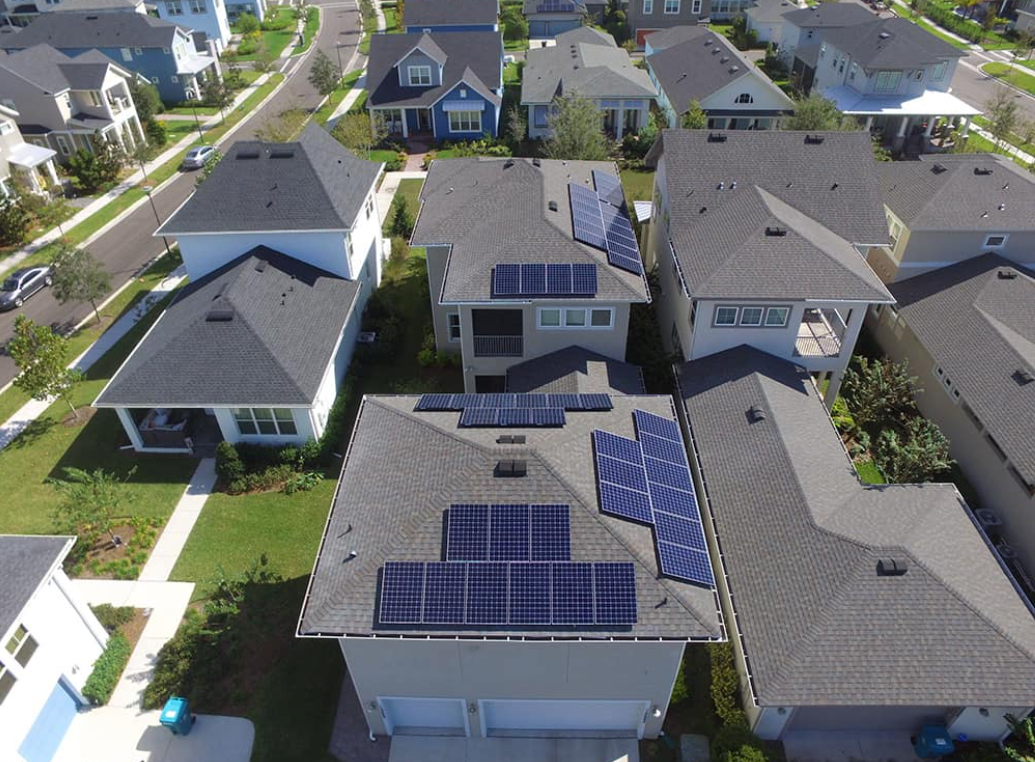
8. Consider Renewable Energy: Depending on the property's location and budget, renewable energy systems such as solar power may provide long-term benefits. Before investing, evaluate installation costs, available sunlight, maintenance requirements, and potential savings to determine whether the system makes financial sense.
9. Consider Energy Efficiency When Renovating: Home renovation ideas should focus on improvements that provide lasting value. When renovating a kitchen, bathroom, or other part of the property, consider efficient lighting, appliances, ventilation, windows, and water fixtures. Combining several improvements can produce better results than making isolated changes.
10. Consider the Impact on Property Value: Energy-efficient improvements can strengthen a property's appeal to environmentally conscious buyers and tenants. Property valuation tools can help owners monitor market value, while real estate market trends can provide information about buyer preferences. Investors should also consider these improvements when developing property investment strategies and managing rental property costs.
Conclusion: Improving energy efficiency is a practical way to reduce operating costs, increase comfort, and strengthen a property's long-term appeal. Simple improvements such as LED lighting, better insulation, efficient appliances, smart home technology, improved windows, and water-saving fixtures can make a meaningful difference. By studying neighborhood guides, monitoring real estate market trends, using property valuation tools, comparing online property listings, supporting sustainable real estate, applying practical home renovation ideas, exploring suitable mortgage financing options, and incorporating energy efficiency into property investment strategies, homeowners and investors can create properties that are more affordable, comfortable, and attractive in the long term.


Comments
Post a Comment