How to Increase Rental Property Value Without Overspending
buymeacoffee.com/kaysogy/how-increase-rental-property-value-without-overspending
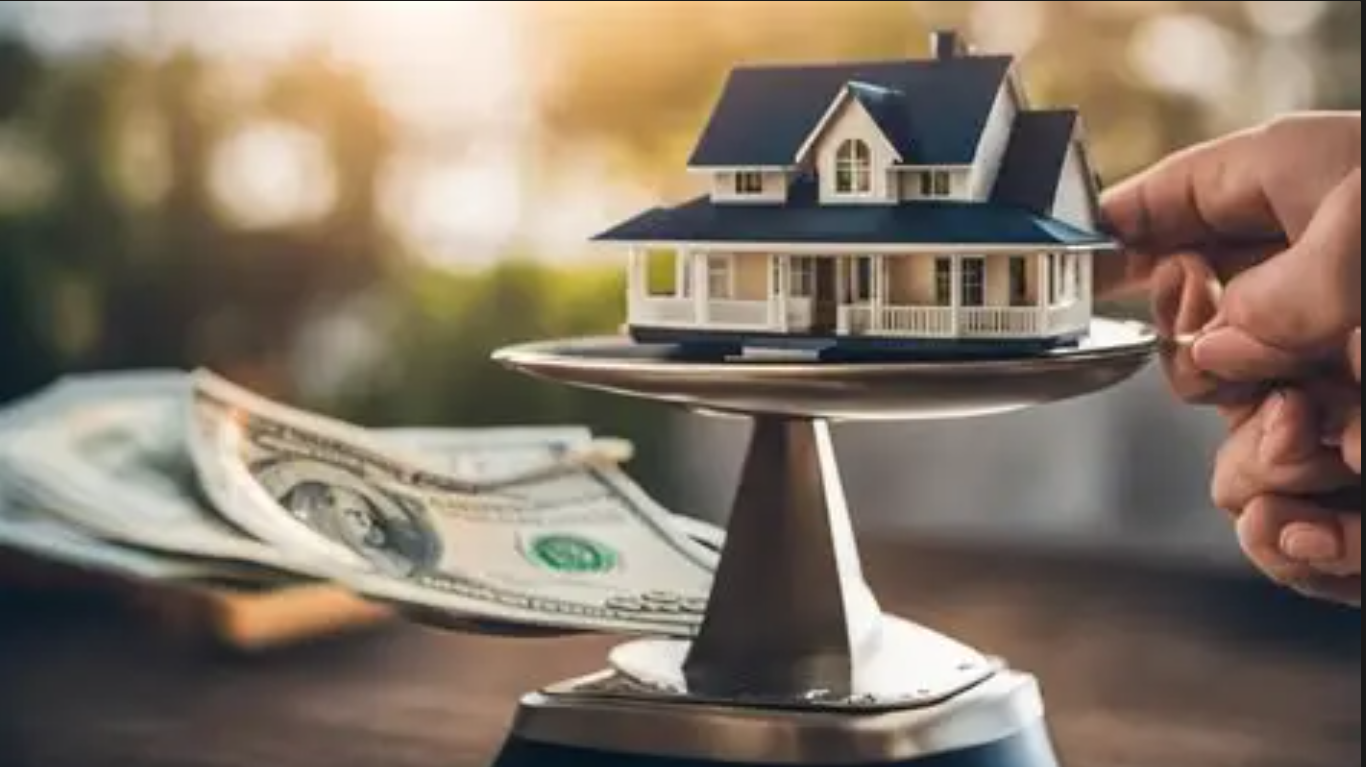 Owning a rental property can provide steady income and long-term wealth, but maintaining its value requires thoughtful investment. Landlords do not always need expensive renovations to make a property more attractive to tenants or improve its financial performance. Small, carefully selected improvements can increase comfort, reduce maintenance costs, improve tenant satisfaction, and strengthen the property's resale potential. The goal is to spend money where it creates genuine value rather than following unnecessary trends. This article explores practical ways landlords can increase rental property value without overspending.
1. Start With Regular Maintenance: Before investing in major improvements, make sure the property is properly maintained. Repair leaking taps, damaged doors, faulty electrical outlets, cracked walls, and other minor problems. Regular maintenance is one of the most effective rental property management practices because it prevents small issues from becoming expensive repairs.
2. Refresh the Interior: A fresh coat of neutral paint can transform the appearance of a rental home at a relatively low cost. Clean walls, attractive lighting, and well-maintained floors create a comfortable environment and provide useful interior design inspiration for future improvements.
3. Improve Kitchen Functionality: A complete kitchen renovation may not be necessary. Replacing cabinet handles, repairing damaged cupboards, improving lighting, and upgrading worn fixtures can make the kitchen look newer without consuming a large renovation budget. These simple home renovation ideas can also improve tenant satisfaction.
4. Update the Bathroom: Small bathroom improvements can have a noticeable impact. Replace damaged fittings, repair leaks, improve ventilation, and install modern mirrors or lighting. A clean and functional bathroom makes a rental property more competitive.
5. Add Smart Home Technology: Affordable smart home technology can improve security and convenience. Smart locks, video doorbells, motion sensors, and programmable thermostats can make a property more attractive to tenants while helping landlords manage the property more efficiently.
6. Improve Energy Efficiency: Energy-efficient upgrades can benefit both landlords and tenants. LED lighting, efficient appliances, improved insulation, and water-saving fixtures can reduce operating costs while supporting sustainable real estate. Lower utility expenses can also make the property more attractive to prospective tenants.
7. Improve Storage Space: Adequate storage is highly valuable in a rental property. Additional shelves, kitchen storage, wardrobes, and practical cabinets can make rooms feel more organised and functional without requiring major structural changes.
8. Improve Outdoor Appearance: A clean and attractive exterior creates a positive first impression. Simple landscaping, trimmed vegetation, clean walkways, exterior lighting, and well-maintained fencing can improve curb appeal at a reasonable cost. Attractive outdoor areas can also strengthen online property listings.
9. Research the Local Rental Market: Before spending money on improvements, study neighborhood guides and monitor real estate market trends. Understanding what tenants in your area actually want helps you avoid investing in features that provide little financial return.
10. Measure the Return on Every Improvement: Landlords should consider the potential financial benefit before approving a renovation. Property valuation tools can help estimate changes in property value, while rental comparisons can indicate whether an improvement may justify higher rent. Combining this information with sound property investment strategies helps landlords spend their money wisely.
Conclusion: Increasing rental property value does not require unlimited spending. Regular maintenance, fresh interiors, practical kitchen and bathroom improvements, smart home technology, energy-efficient features, better storage, and attractive outdoor spaces can make a significant difference without placing unnecessary pressure on a landlord's budget. By studying neighborhood guides, monitoring real estate market trends, using property valuation tools, improving online property listings, considering mortgage financing options carefully, supporting sustainable real estate, applying practical home renovation ideas, and maintaining effective rental property management, property owners can improve rental income while protecting the long-term value of their investments.


Comments
Post a Comment