How to Compare Homes Before Making a Purchase
https://buymeacoffee.com/kaysogy/how-compare-homes-before-making-purchase
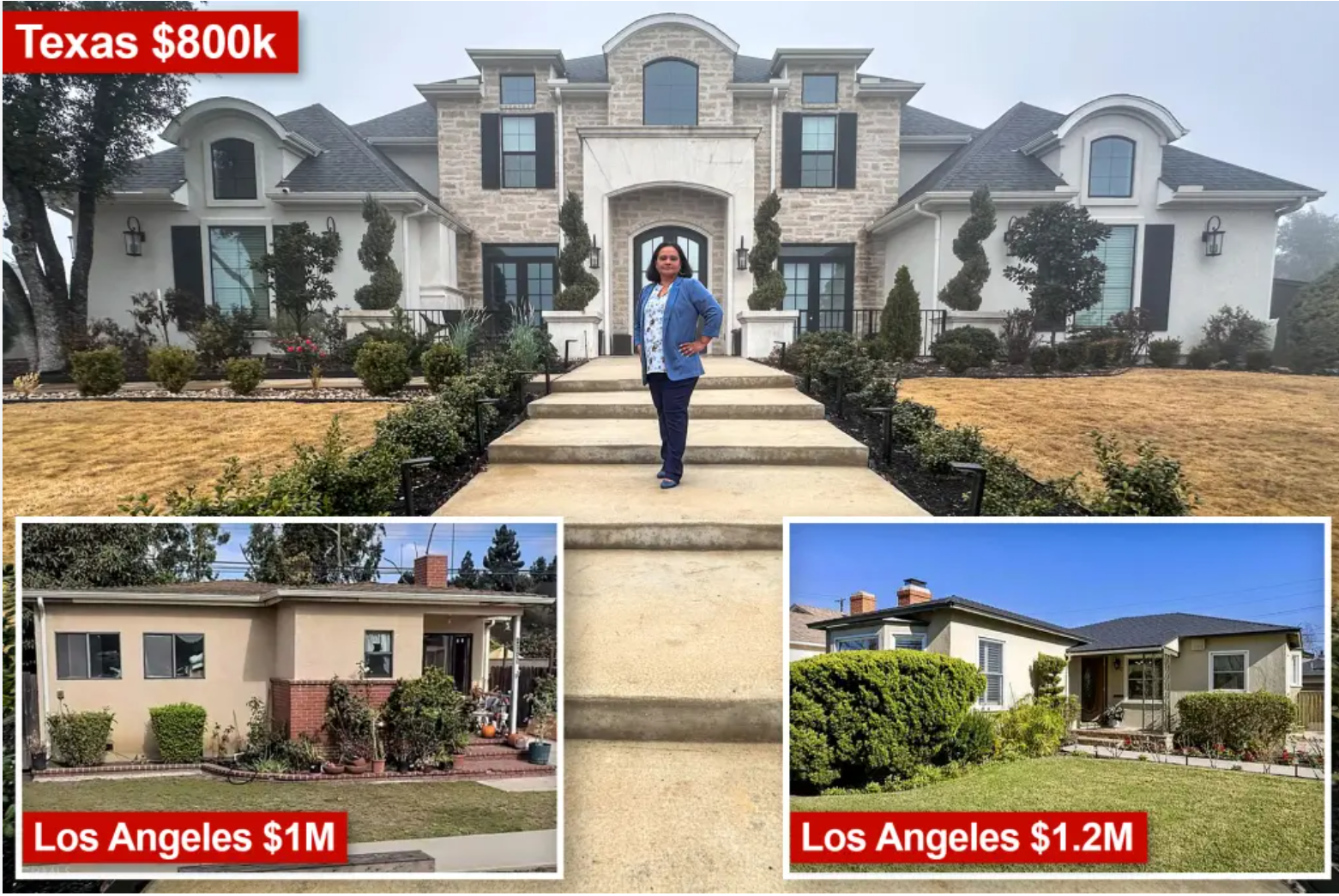 Buying a home is a major financial commitment, and choosing the right property requires more than simply selecting the first house that catches your attention. Every property has its strengths and weaknesses, and comparing multiple homes helps buyers make informed decisions based on value, location, condition, and future potential. A careful comparison reduces the risk of costly mistakes and increases the chances of finding a home that meets both current needs and long-term goals. This article explains how to compare homes effectively before making a purchase.
1. Compare the Location: The location of a home has a lasting impact on its value and your daily lifestyle. Look at the distance to schools, healthcare facilities, shopping centers, workplaces, and public transportation. Reading neighborhood guides can also help you understand the safety, amenities, and future development plans of each community.
2. Evaluate the Property Condition: Inspect each home carefully for signs of structural damage, roof problems, plumbing issues, and electrical concerns. A well-maintained property often requires fewer repairs and provides better long-term value.
3. Review the Floor Plan: The layout of a home should suit your family's needs. Compare the number of bedrooms, bathrooms, storage areas, and living spaces. Flexible floor plans that can adapt to future needs are often more valuable than larger homes with poor layouts.
4. Study Real Estate Market Trends: Understanding real estate market trends helps buyers compare asking prices with current market conditions. Knowing whether prices are rising or falling allows you to negotiate more confidently and avoid overpaying.
5. Check for Smart Home Technology: Modern buyers often appreciate homes equipped with smart home technology. Features such as smart security systems, automated lighting, video doorbells, and programmable thermostats improve convenience, security, and energy management.
6. Look for Energy-Efficient Features: Energy-efficient homes support sustainable real estate while reducing monthly utility costs. Compare insulation quality, windows, lighting, appliances, and water-saving fixtures before making your decision.
7. Use Property Valuation Tools: Property valuation tools help buyers compare market values for similar homes. These tools provide valuable information that supports effective property investment strategies and helps determine whether a property is fairly priced.
8. Explore Online Property Listings: Browsing online property listings allows buyers to compare prices, photographs, property features, and neighborhood information before arranging viewings. This research saves time and helps narrow your choices.
9. Compare Financing Costs: Different homes may result in different financing requirements. Review available mortgage financing options and calculate monthly repayments, insurance costs, taxes, and maintenance expenses before making a final decision.
10. Think Beyond Today's Needs: A home should continue meeting your needs for many years. Consider future family growth, career changes, resale value, and rental potential. Following practical home buying tips will help you choose a property that remains valuable over time.
Conclusion: Comparing homes carefully before making a purchase helps buyers avoid costly mistakes and make confident decisions. By evaluating location, property condition, floor plans, energy efficiency, and smart home technology, buyers can identify the property that offers the best value. Using property valuation tools, reviewing neighborhood guides, monitoring real estate market trends, comparing online property listings, exploring mortgage financing options, embracing sustainable real estate principles, and applying effective property investment strategies will help ensure a successful home purchase with long-term financial benefits.


Comments
Post a Comment