How to Choose Between Buying a New Home and an Older Property
buymeacoffee.com/kaysogy/how-choose-between-buying-new-home-older-property
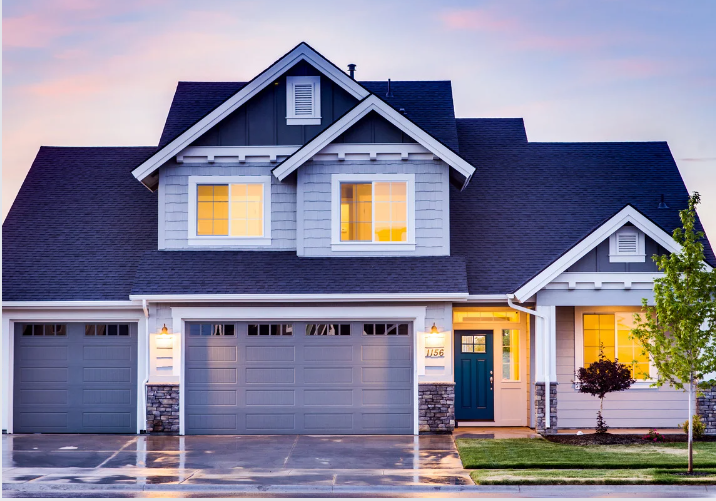 When searching for a home, buyers often face an important decision: should they purchase a newly built property or choose an older home? Both options have advantages and disadvantages, and the right choice depends on your budget, lifestyle, maintenance expectations, and long-term plans. A new home may offer modern features and lower immediate maintenance, while an older property may provide character, established surroundings, and opportunities for renovation. Understanding the differences can help buyers make a decision that fits their financial and personal goals. This article compares new and older properties to help you choose wisely.
1. Consider the Purchase Price: The initial price is an important factor when comparing properties. New homes may come with modern finishes and amenities that influence their price, while older homes may offer opportunities to negotiate based on their condition. Buyers should compare similar properties rather than relying only on the advertised price.
2. Evaluate Maintenance Requirements: New properties generally require fewer immediate repairs, although no home is completely maintenance-free. Older properties may require work on plumbing, roofing, electrical systems, flooring, or windows. Following practical home buying tips means considering both the purchase price and potential future maintenance expenses.
3. Look at Energy Efficiency: Newer homes are often designed with modern energy-efficient materials, appliances, insulation, and windows. Older properties can also become more efficient through carefully planned upgrades. Energy efficiency supports sustainable real estate and can reduce long-term household expenses.
4. Compare Smart Home Technology: New properties may already include smart home technology such as automated lighting, smart security systems, connected appliances, and smart thermostats. Older homes can often be upgraded with similar systems, allowing homeowners to modernise the property according to their needs.
5. Examine the Location: An older home may be located in an established neighborhood with mature trees, schools, businesses, transportation, and other amenities. New developments may offer modern infrastructure but could be farther from established services. Reviewing neighborhood guides can help buyers compare locations properly.
6. Consider Renovation Opportunities: Older homes often provide opportunities for creative improvements. Kitchen upgrades, bathroom improvements, flooring changes, landscaping, and better storage are practical home renovation ideas that can increase comfort and property value. However, buyers should estimate renovation costs before purchasing.
7. Research Property Values: Property valuation tools can help buyers compare the market value of new and older homes. Understanding comparable sales and local prices makes it easier to identify properties that offer good value and supports sound property investment strategies.
8. Study Real Estate Market Trends: Market conditions can influence the value of both new and older properties. Monitoring real estate market trends helps buyers understand demand, price movements, development activity, and future appreciation potential before making a decision.
9. Compare Financing Options: Financing requirements may differ depending on the property's condition and purchase price. Explore mortgage financing options carefully and calculate the total cost of borrowing, including interest, fees, insurance, and potential renovation expenses.
10. Think About Future Resale Value: Consider how attractive the property will be to future buyers. Location, condition, energy efficiency, layout, security, and modern features can all influence resale demand. Online property listings can also provide useful insight into the features buyers currently expect from comparable homes.
Conclusion: Choosing between a new home and an older property depends on your priorities, financial situation, and long-term plans. New homes may provide modern construction and lower immediate maintenance, while older properties can offer established locations and valuable renovation opportunities. By following practical home buying tips, studying neighborhood guides, monitoring real estate market trends, using property valuation tools, comparing online property listings, exploring mortgage financing options, considering smart home technology, supporting sustainable real estate, planning practical home renovation ideas, and applying sound property investment strategies, buyers can choose a property that provides comfort, value, and long term financial potential.


Comments
Post a Comment