How Smart Home Technology Is Changing Modern Property Ownership
buymeacoffee.com/kaysogy/how-smart-home-technology-is-changing-modern-property-ownership
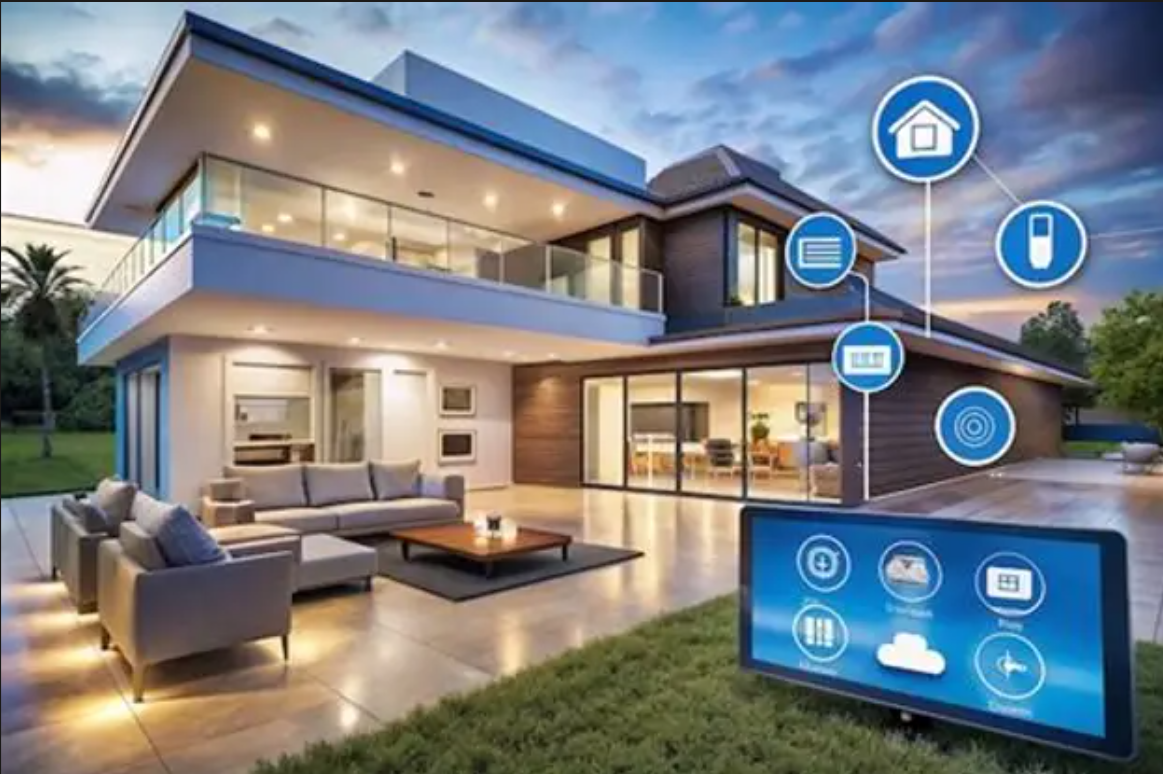 Technology is changing the way people buy, manage, live in, and invest in properties. What was once considered a luxury is becoming a practical feature in many modern homes. Smart devices can improve security, energy management, convenience, and communication between homeowners and their properties. For landlords and investors, technology can also make daily property management more efficient. Understanding these developments can help buyers make better decisions and prepare their properties for changing expectations. This article explores how smart home technology is changing modern property ownership.
1. Improving Home Security: One of the biggest benefits of smart home technology is improved security. Smart locks, video doorbells, security cameras, motion sensors, and automated lighting can help homeowners monitor their properties and respond to unusual activity more quickly.
2. Managing Energy Consumption: Smart thermostats, smart plugs, automated lighting, and energy monitoring systems can help homeowners control electricity usage. These systems can identify unnecessary consumption and make it easier to manage energy costs. This supports sustainable real estate by encouraging more efficient use of resources.
3. Increasing Convenience: Smart devices allow homeowners to control various aspects of their properties through mobile devices or automated settings. Lighting, security systems, appliances, and climate controls can be managed remotely, making everyday tasks more convenient.
4. Supporting Rental Property Management: Landlords can use technology to improve rental property management. Smart locks can simplify access, connected sensors can provide maintenance alerts, and automated systems can help monitor certain property conditions. These tools can save time while improving the tenant experience.
5. Attracting Modern Tenants: Tenants increasingly appreciate properties that provide convenient and secure features. Smart security systems, automated lighting, and energy management devices can make a rental property more competitive. Landlords should, however, choose useful technology rather than installing expensive features that provide little practical value.
6. Increasing Property Appeal: Smart home technology can make a property stand out when advertised through online property listings. Clear photographs and descriptions that highlight useful technology can attract buyers and tenants who value modern convenience.
7. Supporting Property Investment Strategies: Investors need to consider how technology can influence rental demand and resale value. Properties with practical smart features may attract tenants more easily and potentially remain competitive as buyer expectations change. These considerations can form part of broader property investment strategies.
8. Reducing Maintenance Problems: Some smart devices can identify unusual conditions before they become major problems. Water leak sensors, temperature monitors, and other connected devices can provide early warnings, allowing homeowners or landlords to respond more quickly and potentially reduce repair costs.
9. Considering Installation Costs: Not every smart device is worth installing. Homeowners should compare the initial cost, maintenance requirements, reliability, security, and expected benefits before making a purchase. Property valuation tools can help owners monitor whether improvements are contributing to the property's overall appeal and value.
10. Planning for Future Property Needs: Technology should be considered as part of long-term home planning. When purchasing or renovating a property, buyers should consider internet connectivity, electrical capacity, security infrastructure, and compatibility between different devices. Combining smart technology with practical home renovation ideas can create a more functional and future-ready home.
Conclusion: Smart home technology is becoming an increasingly important part of modern property ownership. From security and energy management to rental property management and maintenance, connected devices can provide practical benefits for homeowners, landlords, and investors. By studying neighborhood guides, monitoring real estate market trends, using property valuation tools, comparing online property listings, exploring mortgage financing options, supporting sustainable real estate, applying sensible home renovation ideas, and incorporating useful smart home technology into broader property investment strategies, property owners can improve convenience, efficiency, security, and long-term market appeal.


Comments
Post a Comment