The Impact of Climate Change on Real Estate, Looking Ahead to 2026
https://buymeacoffee.com/kaysogy/the-impact-climate-change-real-estate-looking-ahead-2026
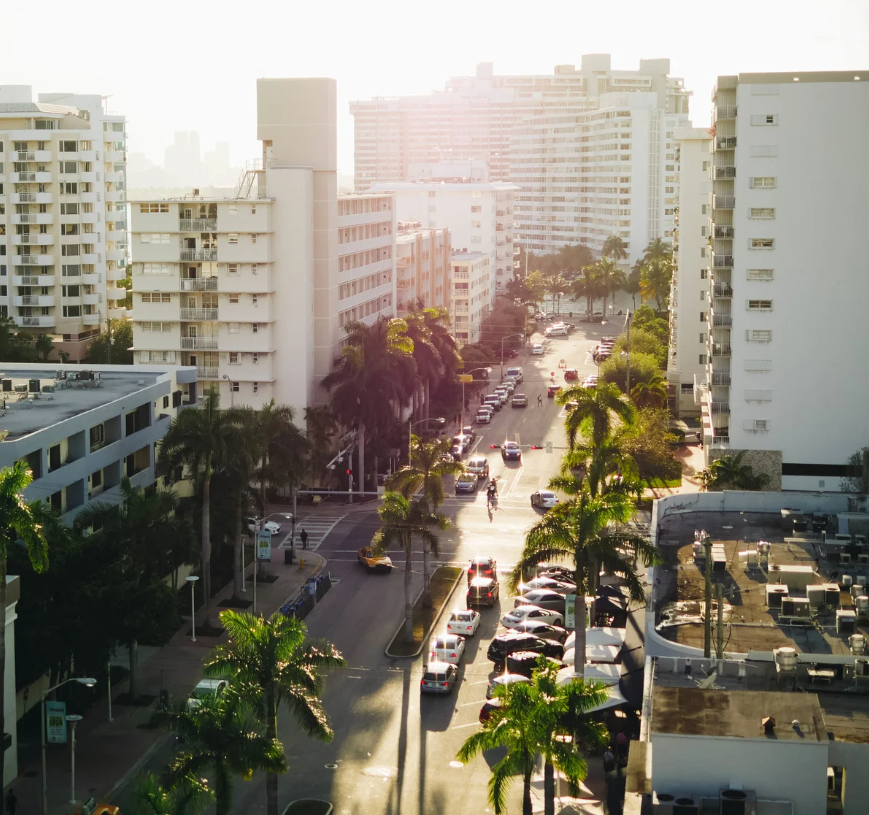 As the world continues to grapple with rising temperatures, unpredictable weather patterns, and environmental changes, the real estate industry is being pushed into a new era. By 2026, climate change will not just be a distant global issue. It will be a direct influence on property values, home buying choices, investment strategies, and even the way neighborhoods are designed. Buyers, investors, and real estate professionals will need to adapt quickly. Understanding what lies ahead can help people prepare for a more resilient and sustainable real estate future.
1. Shifting Buyer Priorities as Climate Risks Become Clearer: By 2026, home buyers will be more cautious about the long-term safety and sustainability of locations. People will prioritize elevated areas, stronger buildings, and reliable infrastructure. Many will rely more on online property listings and remote property inspections to assess risk before making decisions.
2. Rising Insurance Costs and Their Effect on Property Investment Strategies: Insurance premiums for homes in flood-prone or fire-prone regions are already rising. This trend will continue into 2026, influencing how investors approach property investment strategies. Higher costs may discourage investment in vulnerable regions and push investors toward climate-resilient areas.
3. Neighborhood Guides Will Highlight Environmental Resilience: Neighborhood guides in 2026 will focus less on entertainment and more on environmental safety. Buyers will want details about water drainage systems, air quality, emergency routes, and local climate records. These factors will soon matter as much as schools and shopping centers.
4. Smart Home Technology Will Support Safety and Sustainability: Homes equipped with smart home technology will be more appealing. Automated systems can detect moisture, track energy usage, and alert owners to climate-related risks. These features will attract both cautious buyers and first-time home buyers looking for long-term security.
5. Stronger Demand for Homes Built With Sustainable Real Estate Practices: Sustainable real estate construction will become a major trend in 2026. Buyers will appreciate homes built with durable materials, natural cooling systems, and energy-efficient designs. These properties typically have lower long-term risks and higher market values.
6. Real Estate Market Trends Will Be Shaped by Climate Migration: Climate migration will influence where people choose to live. As certain regions face increased flooding or extreme heat, populations may shift to cooler, safer areas. These movements will shape real estate market trends and increase demand in climate-stable zones.
7. Technology Will Support Safer, Data-Driven Decisions: Tools such as property valuation tools, digital property management platforms, and real estate mobile apps will help investors and buyers analyze climate risks more accurately. These technologies will make 2026 property decisions more informed and less risky.
8. Home Renovation Ideas Will Focus on Climate Protection: Homeowners preparing for future climate conditions will turn to renovation ideas that improve weather resistance. These include stronger roofing, efficient cooling systems, water management upgrades, and improved insulation.
9. Mortgage Financing Options May Evolve Based on Climate Risk: Lenders may begin adjusting mortgage financing options based on environmental risk profiles. Homes in low-risk areas may enjoy more competitive rates, while properties in risky zones may face tougher requirements.
10. Real Estate Data Security Will Become Important in a Digital Future: As climate-related risks increase, more people will rely on digital platforms for buying, renting, and managing properties. This shift means real estate data security will become crucial. Buyers and investors will expect platforms that protect personal and financial information.
Conclusion: By 2026, climate change will influence the real estate industry more than ever before. From buyer preferences to insurance costs, from digital tools to sustainable building practices, the future of real estate will revolve around resilience and awareness. Those who understand these changes early will be better prepared to make wise, secure, and profitable decisions. Climate change may bring challenges, but it also opens the door to innovation, smarter planning, and a more sustainable real estate future.


Comments
Post a Comment