What Are the Latest Trends in Property Management
https://buymeacoffee.com/kaysogy/what-are-latest-trends-property-management
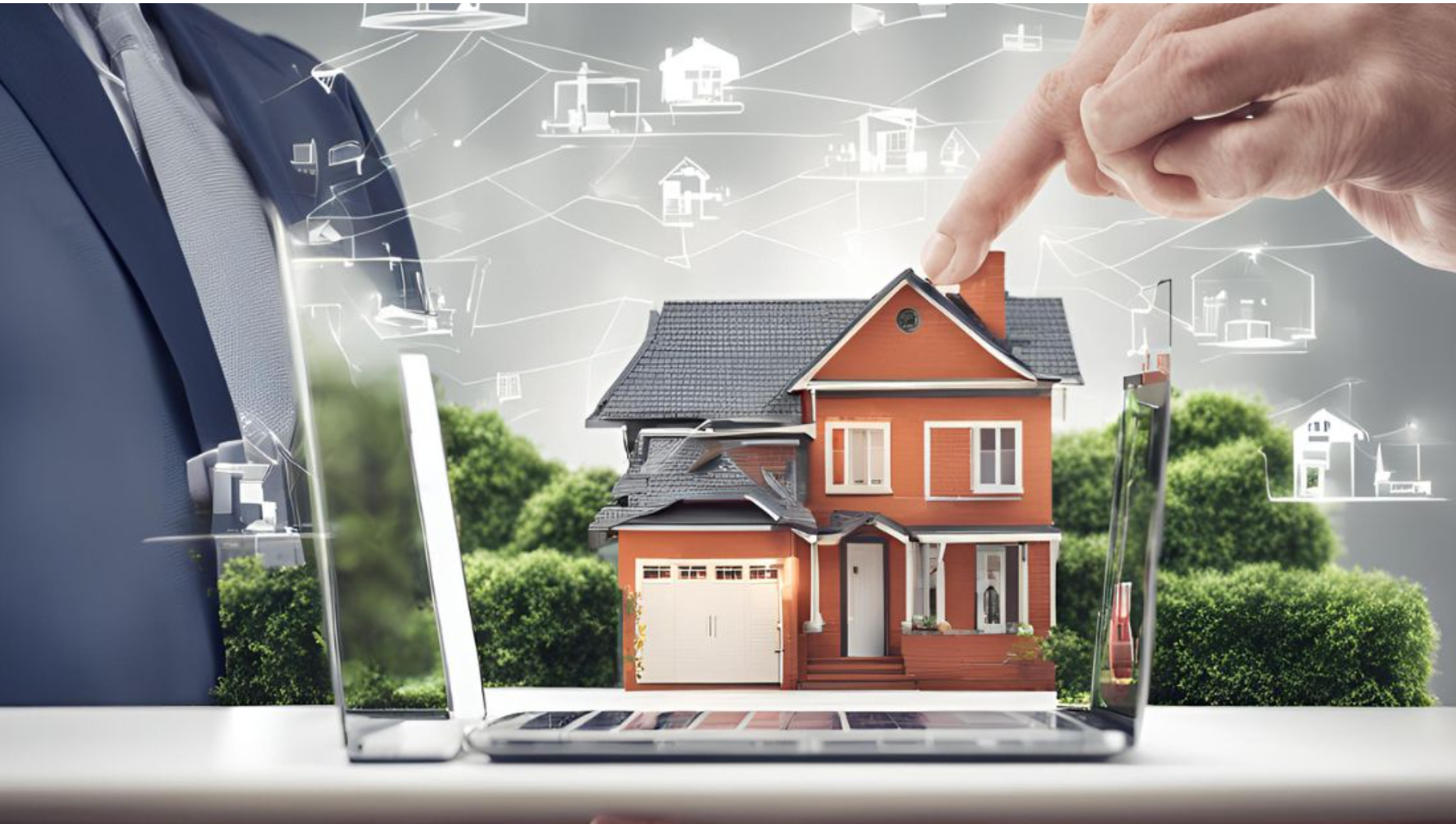 Property management is transforming quickly as new technology, changing tenant expectations, and evolving market conditions reshape the industry. Today, landlords and investors want more efficiency, better communication, and stronger returns from their properties. At the same time, tenants expect convenience, comfort, and seamless digital experiences. Understanding these trends gives property owners an advantage, especially when making decisions about rental property management and long-term investment success. Below are the most important trends shaping modern property management and how each one can help you grow your real estate portfolio.
1. The Rise of Digital Property Management: One of the biggest shifts in real estate today is the use of digital property management tools. These platforms help owners track expenses, manage tenants, collect rent, and handle repairs in one central place. This trend saves time, cuts costs, and makes communication faster and clearer for both property owners and renters.
2. Cloud-Based Real Estate Solutions for Efficiency: Cloud-based real estate solutions continue to grow in popularity because they make property operations easier to manage from anywhere. Owners can access financial records, lease agreements, and maintenance reports through secure online platforms. These tools also improve real estate data security, which is becoming more important as more processes move into the digital space.
3. Smart Home Technology for Modern Rentals: Smart home technology is no longer a luxury in rental housing. Many tenants prefer properties with smart locks, smart thermostats, energy-saving lighting, and security cameras. These features offer convenience and also help reduce utility costs. For investors, smart technology can boost rental value and attract long-term tenants.
4. Growth in Remote Property Inspections: Remote property inspections are becoming a preferred option for busy investors and out-of-town landlords. With video tools and mobile applications, inspections can be completed without being physically present. This trend increases efficiency and ensures routine checks are done more consistently.
5. Automation in Daily Real Estate Tasks: Real estate automation is making property management smoother than ever. Automated rent reminders, digital lease renewals, online maintenance scheduling, and instant communication messages reduce manual work for property managers. This gives owners more time to focus on property investment strategies and future growth opportunities.
6. Increased Use of Real Estate Mobile Apps: Tenants now expect easy access to rental services through mobile apps. These apps allow them to submit maintenance requests, pay rent, or message the property manager instantly. For owners, mobile apps simplify tracking property activities and reduce delays in communication.
7. Advanced Property Valuation Tools for Better Decision Making: Property valuation tools are becoming more accurate and more widely used. These tools help investors understand the current value of a property, analyze rental income potential, and estimate future market appreciation. Accurate valuations help buyers make smart investment choices, especially in competitive markets.
8. Greater Focus on Sustainable Real Estate: Sustainability has moved from a trend to a necessity. More tenants and investors want eco-friendly homes with energy-efficient appliances, water-saving systems, and environmentally responsible features. Sustainable real estate increases long-term property value and lowers overall operating costs.
9. Modern Interior Design Inspiration to Attract Tenants: Clean, modern, simple design continues to dominate rental interiors. Neutral colors, open layouts, comfortable lighting, and functional storage solutions create an attractive space for tenants. Investing in interior design inspiration can help reduce vacancy rates and improve rental demand.
10. Smarter Neighborhood Guides for Tenant Engagement: Property managers now use customized neighborhood guides to help tenants feel connected to their area. These guides highlight local schools, transportation, shopping, healthcare, restaurants, and community activities. When tenants feel informed and comfortable, they are more likely to stay longer, which increases long-term stability for property owners.
Conclusion: The property management industry is undergoing rapid change, driven by new technologies and evolving tenant expectations. Investors who stay informed about these trends can streamline their operations, increase property value, and enhance the tenant experience. Whether through digital property management tools, smart home technology, or sustainable real estate practices, these trends help build stronger and more profitable investment portfolios. By understanding what drives the modern rental market, property owners can make smarter decisions and remain competitive for years to come.


Comments
Post a Comment