The Impact of Climate Change on Coastal Real Estate Markets
https://buymeacoffee.com/kaysogy/the-impact-climate-change-coastal-real-estate-markets
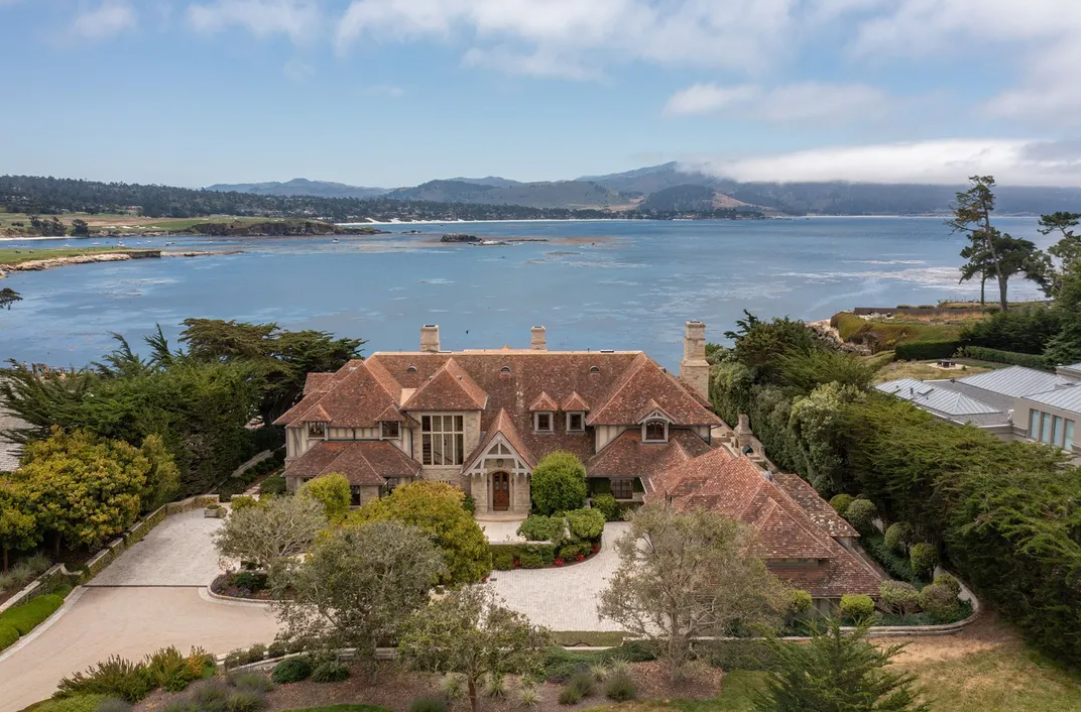 As global temperatures continue to rise, the real estate market trends in coastal regions are undergoing a significant transformation. Once prized for their scenic beauty and tourism appeal, coastal properties now face new challenges due to climate change. Rising sea levels, extreme weather patterns, and shifting environmental policies are reshaping property investment strategies, influencing home values, insurance costs, and long-term sustainability. Understanding these impacts is crucial for investors, homeowners, and developers looking to make informed decisions in this evolving landscape.
1. Rising Sea Levels and Property Valuation Risks: One of the most pressing issues affecting coastal real estate markets is rising sea levels. Properties in flood-prone areas are experiencing decreased demand and falling prices. Property valuation tools now incorporate environmental risk data, forcing appraisers and investors to consider long-term viability when assessing a property’s worth.
2. Shifting Real Estate Market Trends: The increasing threat of coastal flooding and erosion is changing real estate market trends. Many buyers are moving inland, driving growth in safer zones. Developers, on the other hand, are exploring sustainable real estate solutions to counter these environmental challenges and maintain property appeal.
3. Insurance Challenges for Coastal Properties: Insurance costs have surged in coastal areas as insurers factor in climate-related risks. For many, rising premiums make ownership unsustainable. Investors are now integrating property investment strategies that include risk diversification, using digital property management and real estate automation tools to monitor portfolio performance and mitigate exposure.
4. The Role of Sustainable Real Estate Development: Developers are embracing eco-friendly building materials and sustainable real estate practices to protect coastal investments. These include elevated structures, water-resistant materials, and renewable energy systems. Not only do these features minimize environmental impact, but they also enhance long-term property value and attract environmentally conscious buyers.
5. The Rise of Smart Home Technology in Coastal Properties: To combat the effects of humidity, flooding, and temperature fluctuations, builders are integrating smart home technology. Systems that monitor air quality, detect leaks, or manage energy consumption remotely offer a technological edge to coastal homeowners while promoting resilience and efficiency.
6. Using Data Analytics to Predict Climate-Driven Changes: Modern investors rely heavily on real estate data security and analytics tools to understand the effects of climate change. Cloud-based real estate solutions now provide predictive modeling that helps investors assess long-term risks such as shoreline retreat, storm frequency, and property depreciation.
7. Government Regulations and Zoning Reforms: Governments worldwide are revising zoning laws and building codes to protect vulnerable areas. These reforms affect mortgage financing options, property development approvals, and long-term investment returns. Staying updated with these regulations is vital for real estate professionals and buyers alike.
8. Adaptation Strategies for Investors: Savvy investors are shifting focus toward sustainable real estate portfolios. This includes investing in green-certified buildings, funding restoration projects, and utilizing remote property inspections to manage assets safely in high-risk areas. These strategies reduce exposure and maintain profitability in volatile climates.
9. Impact on Tourism and Vacation Rentals: Coastal tourism destinations face unpredictable seasons and declining visitor numbers due to severe weather events. Investors in vacation rental properties must adapt by diversifying into inland alternatives or upgrading their properties to withstand climatic challenges ensuring steady rental property management and income flow.
10. The Future of Coastal Real Estate in a Changing Climate: The coastal property landscape is evolving toward resilience and innovation. Expect increased reliance on digital property management, real estate mobile apps, and AI-based monitoring tools that enhance asset protection. Developers focusing on sustainable designs and climate-adapted communities will lead the next wave of coastal development.
Conclusion: The impact of climate change on coastal real estate is undeniable. Investors, homeowners, and developers must adopt proactive approaches leveraging sustainable real estate solutions, smart home technology, and data-driven decision-making to thrive in this new era. While the risks are real, so are the opportunities for innovation and adaptation. By aligning with eco-conscious practices and emerging real estate market trends, coastal investors can build portfolios that are both profitable and resilient in the face of environmental change.
Comments
Post a Comment