The Future of Real Estate in the Age of 3D Printing
https://buymeacoffee.com/kaysogy/the-future-real-estate-age-3d-printing
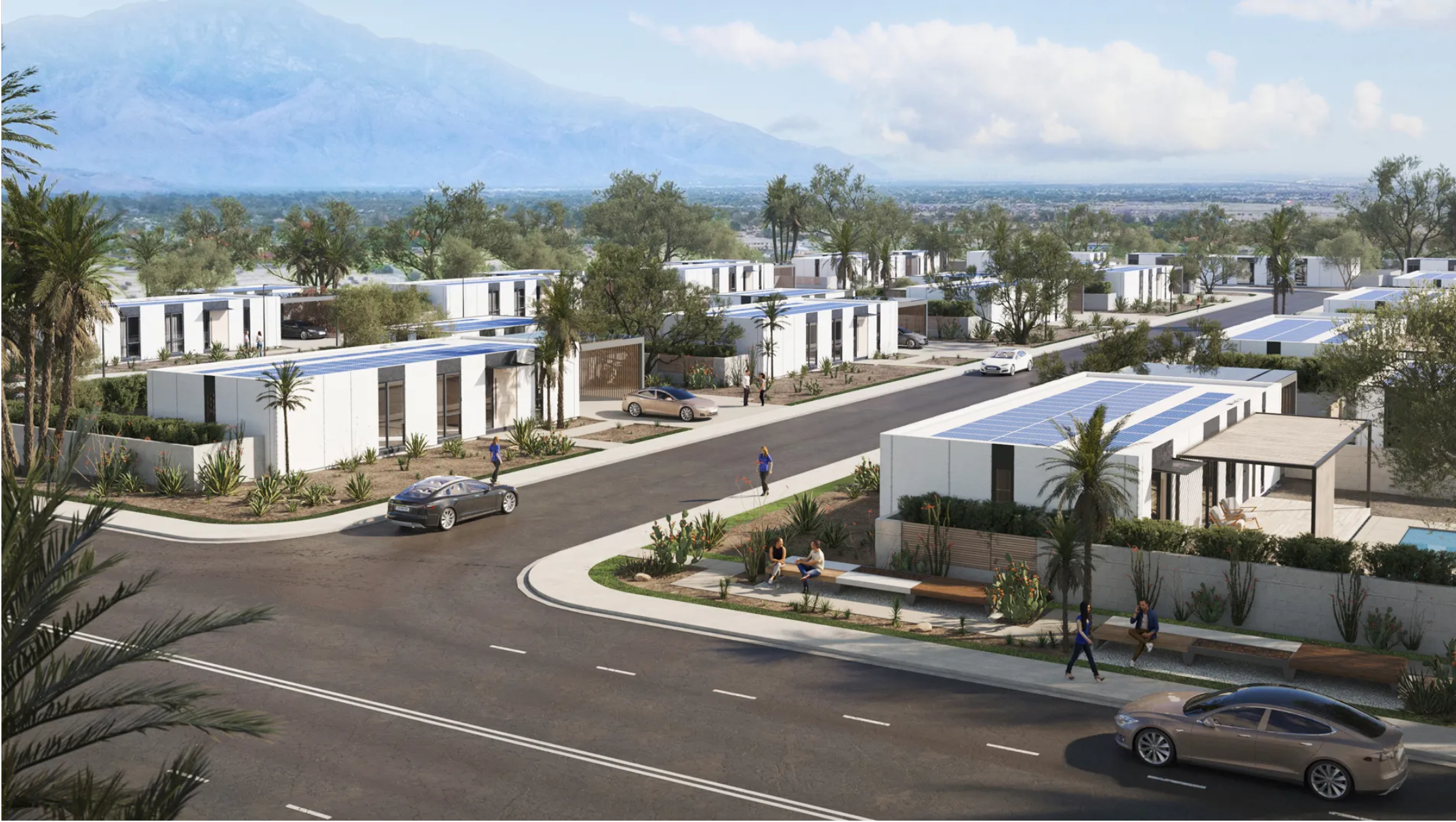 The real estate industry is entering a transformative era driven by technology, and one of the most revolutionary innovations shaping its future is 3D printing. This cutting-edge technology, also known as additive manufacturing, is revolutionizing the design, construction, and maintenance of homes and commercial properties. From faster construction times to reduced costs and improved sustainability, 3D printing promises to redefine the way we think about property development and ownership. As this innovation aligns with sustainable real estate trends and smart home technology, it is poised to bring about lasting changes in real estate market trends and property investment strategies worldwide.
1. 3D Printing: A Game Changer in Construction: 3D printing uses automated machines to create structures layer by layer using concrete, polymers, or composite materials. This automation significantly reduces construction time and labor costs. Unlike traditional methods, which require multiple contractors, 3D printing streamlines the entire building process into a single, efficient workflow, boosting productivity in the real estate industry.
2. Cost-Effective Housing Solutions: One of the biggest advantages of 3D-printed homes is affordability. With fewer materials wasted and reduced labor needs, 3D printing can lower construction costs by up to 30–50%. This makes it a powerful tool for addressing housing shortages and enabling first-time homebuyer advice seekers to access affordable homes in emerging markets.
3. Promoting Sustainable Real Estate: 3D printing supports sustainable real estate by minimizing waste, using recyclable materials, and reducing carbon emissions. Builders can use eco-friendly concrete mixes and local resources, reducing transportation costs and environmental impact. This aligns with the growing global demand for green and energy-efficient buildings.
4. Integration with Smart Home Technology: The combination of 3D printing and smart home technology is revolutionizing modern living spaces. Homes can now be designed with built-in systems for temperature control, lighting, and security, all integrated during the printing process. This seamless integration creates homes that are not only efficient to build but also technologically advanced and energy-smart.
5. Speed and Scalability in Construction: 3D printing allows for rapid construction some houses can be printed within 24 to 48 hours. This speed offers immense potential in post-disaster recovery housing, urban development, and government-sponsored housing programs. Developers can use real estate automation tools to coordinate multiple projects simultaneously, accelerating growth in urban areas.
6. Innovative Property Investment Strategies: Investors are already exploring property investment strategies centered on 3D-printed developments. With reduced costs, quicker returns, and increased demand for sustainable housing, 3D printing offers investors new opportunities for diversification. Forward-thinking investors can combine property valuation tools with online property listings to promote and monitor these innovative assets effectively.
7. Impact on Real Estate Market Trends: The rise of 3D printing is reshaping real estate market trends by influencing pricing, design preferences, and construction practices. Buyers are becoming more open to non-traditional homes, while developers are embracing flexible architectural designs. The technology’s ability to create customized homes at lower costs is expected to become a major factor in market competitiveness.
8. Digital Property Management for 3D Homes: Once constructed, 3D-printed properties can benefit from digital property management systems. These platforms enable property owners to monitor maintenance, manage tenants, and optimize energy usage through cloud-based real estate solutions. Such integration ensures that managing modern homes remains as efficient as their construction.
9. Enhancing Design Flexibility and Innovation: Traditional construction methods often limit architectural creativity. 3D printing, however, enables the creation of intricate designs and curved structures that were once too costly or time-consuming to build. This innovation opens new possibilities for interior design inspiration and architectural experimentation, allowing each home to be unique and tailored to its owner’s needs.
10. Challenges and the Road Ahead: While 3D printing offers immense potential, challenges remain. Regulatory frameworks, building codes, and public perception need to evolve to accommodate this new method. Additionally, material availability and technological expertise may limit widespread adoption in some regions. However, as real estate mobile apps and automation tools improve, these barriers are gradually being overcome, paving the way for a 3D-printed future.
Conclusion: The future of real estate in the age of 3D printing is both exciting and transformative. By combining speed, sustainability, and innovation, 3D printing is set to revolutionize how we build and manage properties. As real estate automation, digital property management, and smart home technology continue to advance, 3D printing will play a central role in shaping the next generation of housing and commercial development. For investors, developers, and homeowners, the message is clear: embracing 3D printing is not just a choice but the future of real estate innovation.


Comments
Post a Comment