What is the Future of Co-Living Spaces
https://buymeacoffee.com/kaysogy/what-future-co-living-spaces-4004189
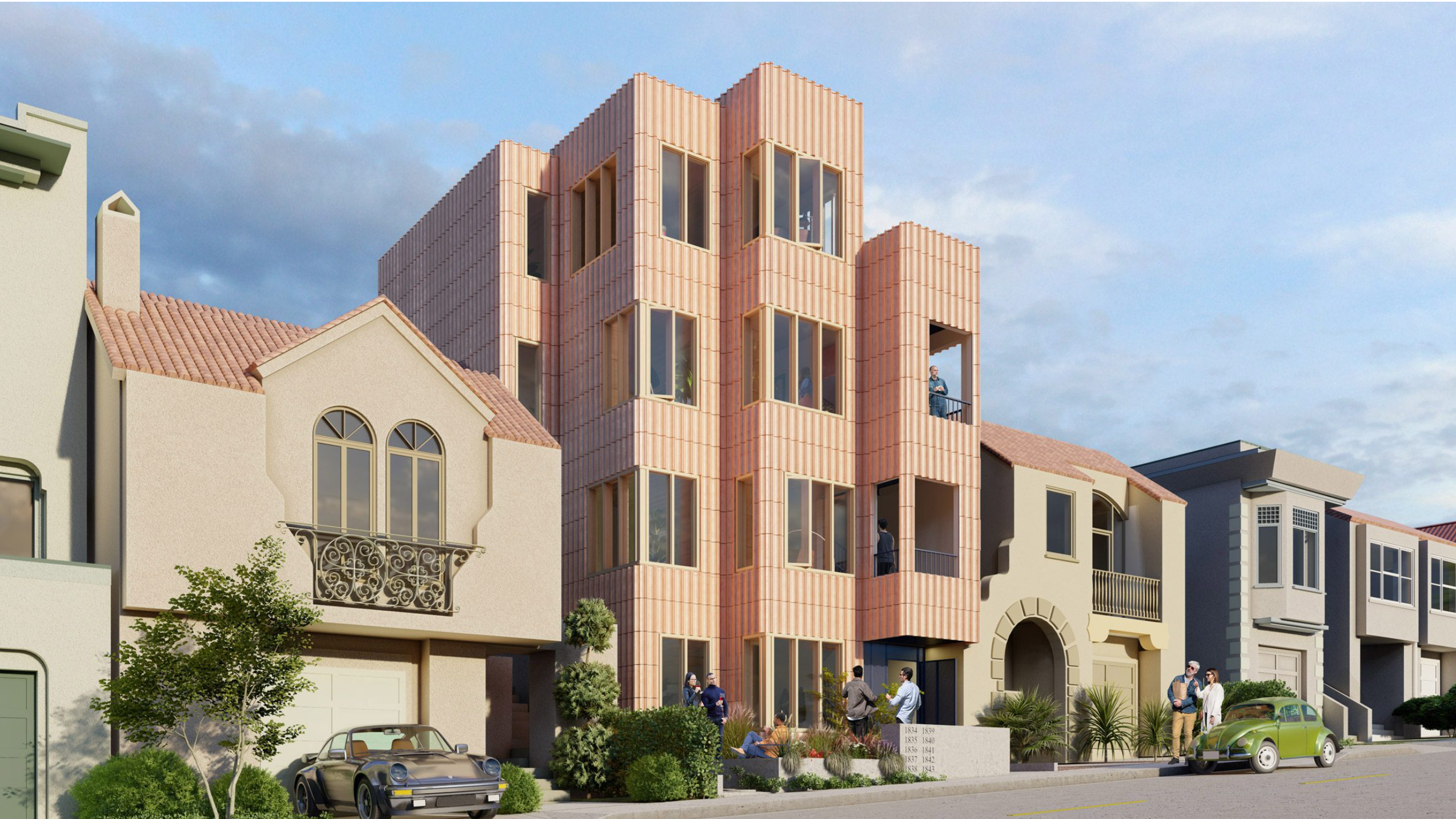 The real estate industry continues to evolve in response to shifting lifestyles, urbanization, and technological advancements. One concept gaining traction worldwide is co-living spaces, shared housing arrangements designed to combine affordability, community, and convenience. With rising property costs and a growing demand for flexible living, co-living is shaping the way people think about housing. But what does the future hold for this innovative real estate model? Let’s explore the opportunities, challenges, and transformations that will define the future of co-living spaces.
1. The Rise of Urban Demand: As cities expand and property prices soar, co-living offers affordable alternatives for young professionals, students, and digital nomads. This model not only reduces individual costs but also complements property investment strategies for developers seeking to meet demand.
2. Flexible Rental Property Management: Future co-living models will rely heavily on rental property management systems to ensure smooth operations. By leveraging digital property management and real estate automation, landlords can streamline rent collection, maintenance requests, and tenant communication.
3. Smart Home Technology Integration: The integration of smart home technology will play a major role in the co-living model. Features like automated lighting, keyless entry, and energy-efficient appliances enhance convenience, improve security, and contribute to sustainable real estate practices.
4. Sustainable and Eco-Friendly Developments: Tomorrow’s tenants are increasingly conscious of their environmental impact. Developers will adopt sustainable real estate practices by incorporating green energy, water conservation, and eco-friendly home renovation ideas into co-living facilities.
5. Community-Centered Living: Beyond affordability, co-living thrives on a sense of community. Future models will emphasize shared kitchens, workspaces, and recreational areas, fostering stronger relationships among tenants. This makes co-living more than just a housing solution but a lifestyle.
6. Investment Opportunities in Co-Living: For investors, co-living provides a lucrative way to diversify portfolios. With careful property valuation tools, they can evaluate returns and identify high-demand neighborhoods. Co-living may soon become a mainstream asset class in real estate market trends.
7. Neighborhood Guides for Co-Living: Location is key in real estate, and neighborhood guides will help prospective tenants find co-living spaces near workplaces, universities, and transit hubs. This data-driven approach ensures better tenant satisfaction and higher occupancy rates.
8. Digitalization of Listings: Future tenants will discover co-living options primarily through online property listings and real estate mobile apps. Digital platforms will highlight amenities, community events, and neighborhood perks, making the search process more transparent and efficient.
9. Security and Data Protection: As co-living incorporates digital systems, concerns around real estate data security will rise. Operators must safeguard tenant information by investing in secure platforms and adopting strict privacy policies to maintain trust.
10. Adapting to Economic Uncertainty: Co-living spaces are well-positioned to thrive during times of economic instability. With lower costs and flexible terms, they serve as a safety net for those navigating uncertain financial conditions, much like a hedge in home-buying tips and rental planning.
Conclusion: The future of co-living spaces looks bright, driven by affordability, sustainability, and community-based living. With the integration of smart home technology, digital property management, and real estate automation, this model is becoming more efficient and attractive to both tenants and investors. Developers adopting sustainable real estate practices and leveraging property valuation tools will gain an edge in this emerging sector. As urban populations expand and housing preferences shift, co-living is not just a passing trend but a long-term solution redefining modern real estate living.


Comments
Post a Comment