Exploring the Role of Sustainability in Real Estate Development
https://buymeacoffee.com/kaysogy/exploring-role-sustainability-real-estate-development
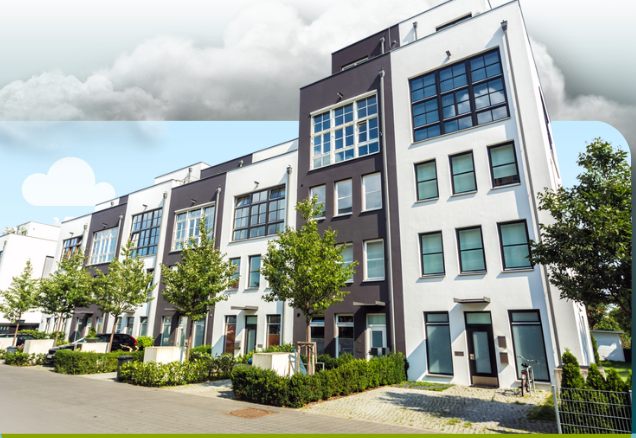 As the real estate industry continues to evolve in 2025, one concept stands out as both a necessity and an opportunity: sustainability. Today’s developers, investors, and homeowners are not just interested in prime locations or luxury finishes—they’re prioritizing environmental impact, long-term value, and sustainable living. Incorporating sustainable real estate practices isn’t just about going green; it’s about increasing property value, attracting eco-conscious buyers, and complying with emerging regulations. This article explores how sustainability is shaping real estate development, what trends are driving this transformation, and how you can position your investments for future success.
Why Sustainability Matters in Real Estate: Sustainability in real estate refers to developing and managing properties in ways that minimize environmental impact while maximizing efficiency and community well-being. This shift is driven by several factors:
Climate change regulations
Increasing utility costs
Consumer demand for eco-friendly homes
Technological innovation in construction and energy systems
Sustainable development is no longer optional's a vital strategy for staying competitive and resilient in today’s market.
Key Trends Driving Sustainable Real Estate in 2025
1. Green Building Standards: Developers are now incorporating energy-efficient appliances, renewable energy sources like solar panels, and eco-friendly building materials. Meeting standards such as LEED (Leadership in Energy and Environmental Design) can increase both desirability and long-term profitability.
2. Smart Home Technology: Modern buyers expect sustainability to go hand-in-hand with convenience. Smart home technology like programmable thermostats, lighting systems, and water-saving devices helps reduce energy consumption and lower utility bills.
3. Digital Property Management: With digital property management tools, landlords can monitor utilities, automate maintenance schedules, and streamline tenant communications, all of which contribute to operational efficiency and environmental responsibility.
Benefits of Sustainable Real Estate Development
1. Higher Property Values: Properties with eco-friendly features and certifications often command higher prices. Green homes are perceived as more modern, healthier, and cheaper to maintain.
2. Attracting Eco-Conscious Tenants and Buyers: Millennials and Gen Z are increasingly seeking homes that align with their values. Highlighting sustainable real estate features in your listings can give you a competitive edge.
3. Reduced Operating Costs: Using property valuation tools, developers can calculate the long-term cost savings of energy-efficient systems. Lower utility and maintenance costs mean better ROI for investors and landlords.
4. Enhanced Marketability: Sustainable homes stand out in online property listings. Add features like energy-efficient windows, solar panels, and smart thermostats to make your property more attractive.
Incorporating Sustainability Into Your Investment Strategy
1. Evaluate Properties Using the Right Tools: Use property valuation tools that factor in energy efficiency and sustainability ratings. These insights can help determine whether a property aligns with your long-term investment strategy.
2. Focus on Energy Efficiency: When renovating or developing properties, prioritize insulation, energy-efficient HVAC systems, and sustainable materials. These features enhance comfort while minimizing the carbon footprint.
3. Implement Remote Property Inspections: Using remote property inspections, investors can evaluate properties without the environmental cost of travel. This is especially useful for large portfolios or out-of-state investments.
4. Utilize Real Estate Automation: Real estate automation can help manage utilities, schedule regular maintenance, and provide data analytics, all of which support a more sustainable operation.
Building for the Future: Sustainable development isn’t just about environmental stewardship; it’s a business strategy that drives value, mitigates risk, and meets the expectations of modern buyers. Incorporating sustainable practices from rental property management to new construction is essential for any forward-thinking real estate professional. In 2025 and beyond, success in the real estate sector will depend not just on location or price, but on adaptability, innovation, and a commitment to sustainability.
Conclusion: Sustainability in real estate is no longer a trend; it’s the new standard. Whether you're a developer, agent, investor, or property manager, now is the time to integrate eco-conscious practices into your operations. Not only will it boost your brand's credibility, but it will also future-proof your investments in a rapidly changing world.
Comments
Post a Comment