How to Handle Multiple Offers When Selling Your Home
buymeacoffee.com/kaysogy/how-handle-multiple-offers-when-selling-your-home
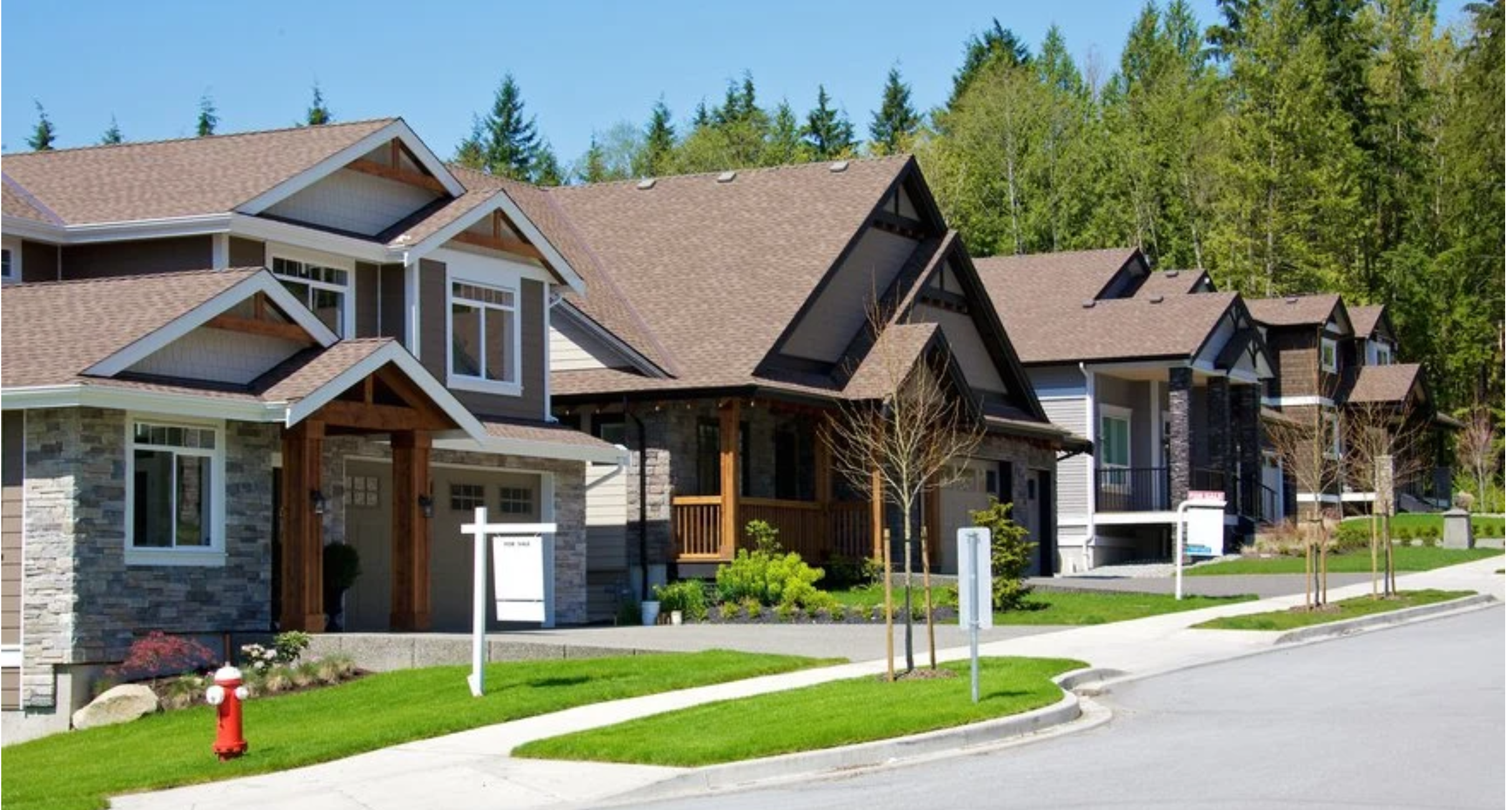 Selling a home is an exciting yet complex process, and receiving multiple offers can be both a blessing and a challenge. In a competitive real estate market, knowing how to navigate multiple offers effectively can help you maximize your property's value and ensure a smooth transaction. This guide will walk you through the best strategies for handling multiple offers when selling your home.
1. Understanding the Impact of Multiple Offers: When multiple buyers are interested in your home, a bidding war may occur, potentially increasing the sale price. However, selecting the best offer involves more than just choosing the highest bid. You must also consider financing terms, contingencies, and closing timelines to ensure a successful transaction.
2. Setting the Right Strategy Before Listing
A. Price Your Home Competitively: A well-priced home will attract multiple buyers, increasing the likelihood of multiple offers. Analyze real estate market trends, consult a real estate agent, and use property valuation tools to set an attractive asking price.
B. Stage Your Home for Maximum Appeal: Enhancing your home’s appearance can significantly influence buyers. Consider home renovation ideas such as fresh paint, landscaping, and updated lighting fixtures. High-quality photography and virtual tours can also increase interest in your listing.
C. Market Your Property Effectively: Utilizing online property listings and real estate mobile apps ensures your home reaches the right audience. Social media marketing, video tours, and targeted ads can further increase visibility.
3. Reviewing and Comparing Offers: Not all offers are equal. Carefully evaluate each based on:
Offer Price vs. Net Proceeds: A higher offer may include contingencies or repairs that reduce your net earnings.
Financing Terms: A buyer with solid mortgage financing options or a cash offer is generally more reliable.
Contingencies and Conditions: Some buyers may require inspections or appraisals that could slow down the sale.
Closing Timeline: A buyer who can close quickly may be more advantageous than one with an extended timeline.
4. Negotiating for the Best Deal: When handling multiple offers, negotiation is essential.
A. Ask for Best and Final Offers: Inform all buyers that you are reviewing multiple offers and request their highest and best terms.
B. Consider a Counteroffer: Negotiate with the most promising buyer by adjusting prices, contingencies, or closing dates.
C. Use an Escalation Clause: Some buyers include an escalation clause, automatically increasing their bid if another offer is higher.
5. Comparing Offers Beyond Just Price: While a high offer is attractive, other factors should be considered:
Financing Method: Cash offers tend to close faster than buyers relying on mortgage financing options.
Contingencies: Offers with fewer contingencies (such as home inspections) reduce the risk of delays.
Closing Timeline: If you need to move quickly, an offer with a shorter closing period may be ideal.
Taking a comprehensive approach ensures you choose the most secure and profitable offer.
6. Negotiation Strategies for the Best Outcome
Counteroffers: If multiple offers are close in value, negotiate better terms with the strongest buyer.
Escalation Clauses: Encourage buyers to include automatic bid increases to outbid competitors.
Requesting Highest and Best Offers: This approach encourages buyers to submit their best possible bid upfront.
By negotiating effectively, you can secure the most favorable deal without losing interested buyers.
7. Handling Bidding Wars Professionally: Bidding wars can significantly increase your home’s value but require careful management.
Transparency: While you can inform buyers of competing offers, revealing specific details may lead to complications.
Fair Dealing: Ethical practices ensure all buyers are treated fairly.
Consulting Your Agent: A real estate automation system or professional guidance can help you navigate legal aspects.
Maintaining professionalism fosters trust and ensures a smooth transaction.
8. Considering Buyer Flexibility and Concessions: A buyer’s flexibility can significantly impact the ease of the transaction.
Leaseback Options: Some buyers may allow you to stay in the home temporarily after closing.
Waiving Certain Contingencies: Buyers willing to skip inspections or appraisals minimize seller risk.
Covering Closing Costs: Some buyers may offer to pay extra fees to make their offer more appealing.
A buyer with favorable terms can help streamline the closing process.
9. Managing Communication and Legal Aspects: Clear communication prevents misunderstandings and ensures a fair selling process.
Timely Responses: Keep buyers engaged by responding quickly to inquiries.
Document Everything: Maintain records of offers and negotiations.
Legal Compliance: Work with an agent or attorney to ensure the process adheres to real estate data security and legal requirements.
A well-organized communication strategy enhances professionalism and efficiency.
10. Finalizing the Best Offer and Closing the Sale: Once you've selected the best offer, focus on completing the transaction smoothly.
Contract Review: Have your real estate agent or lawyer review all terms carefully.
Home Inspection and Appraisal: Ensure the buyer’s lender completes all necessary evaluations.
Smooth Transition: Assist the buyer with paperwork while preparing for your move.
By staying proactive, you can avoid delays and ensure a successful sale.
Conclusion: Handling multiple offers requires a strategic approach beyond simply selecting the highest bid. By understanding real estate market trends, leveraging effective digital property management, and using property valuation tools, sellers can make informed decisions that maximize their home’s value. You can secure the best possible deal through careful negotiation, clear communication, and evaluating buyers beyond price while ensuring a seamless transaction.


Comments
Post a Comment