Tips for Creating Accessible Homes for All Abilities
https://buymeacoffee.com/kaysogy/tips-creating-accessible-homes-all-abilities
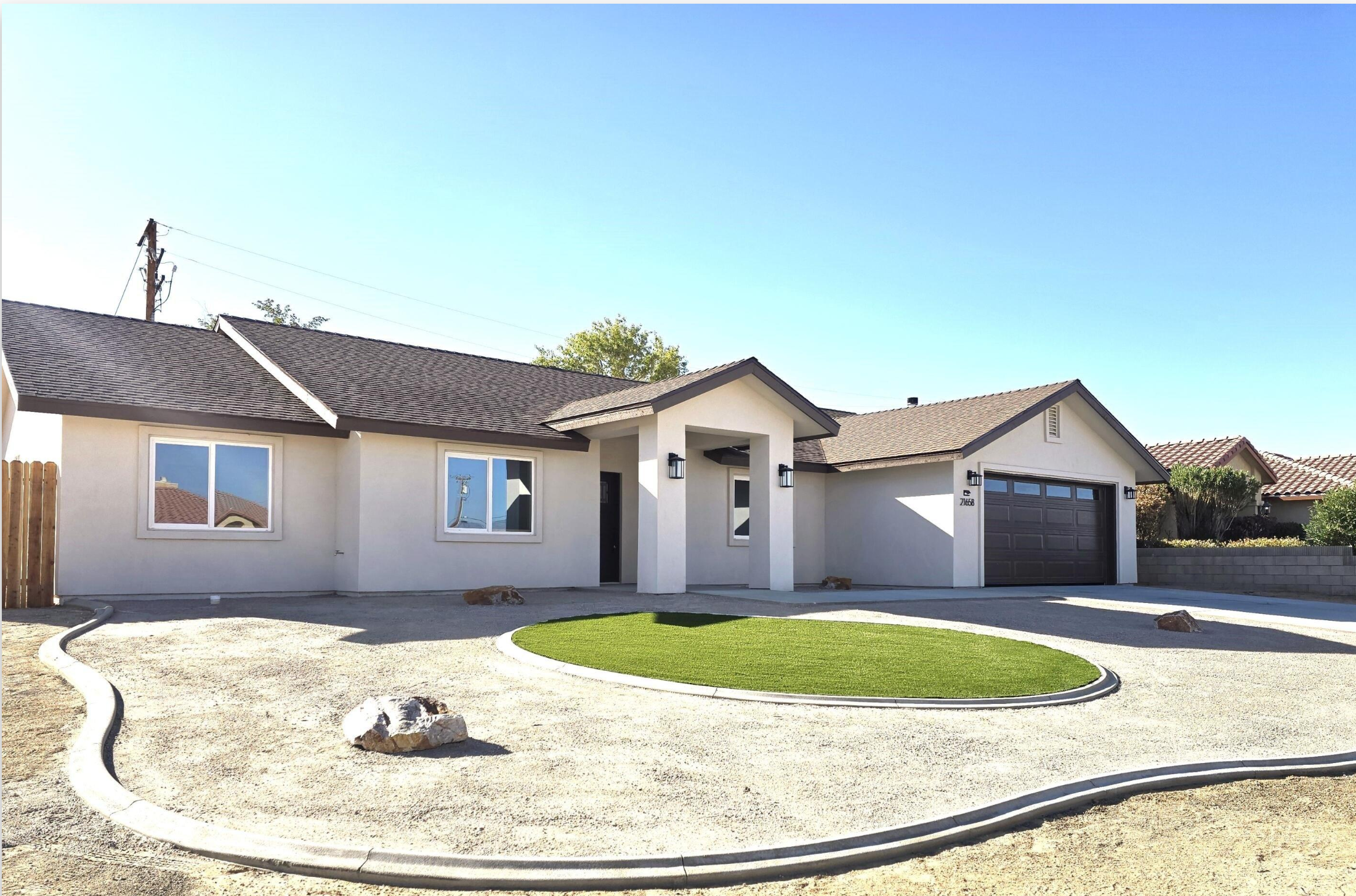 Creating an accessible home environment is more than just a trend; it’s a crucial element in making sure that all individuals, regardless of their abilities, can live comfortably and independently. Accessibility in home design allows people with physical, sensory, or cognitive impairments to navigate their spaces with ease, enhancing quality of life and safety. This article explores essential tips for creating accessible homes for all abilities, focusing on strategies that can be incorporated into your design, remodeling, or property investment projects.
1. Understand the Needs of Different Abilities: Before embarking on any renovations or new builds, it’s essential to understand the specific needs of various abilities. While the majority of accessibility modifications may cater to individuals with mobility issues, there are many people with other impairments who benefit from thoughtful design. For example, those with visual impairments require clear pathways and well-lit spaces, while people with hearing impairments need visual cues or alert systems.
2. Wider Doorways and Hallways: One of the most significant factors in ensuring accessibility is widening doorways and hallways to accommodate wheelchairs and mobility aids. The Americans with Disabilities Act (ADA) recommends a minimum width of 32 inches for doorways and 36 inches for hallways to ensure smooth passage. This can be easily incorporated into new home designs or renovations.
3. Ramps and Elevators: Traditional steps can be a challenge for people using mobility aids, but installing ramps or even an elevator can be life-changing. Ramps should have a gentle incline, be slip-resistant, and provide handrails for additional support. For larger homes or multi-story buildings, installing an elevator or a stair lift ensures that all areas are accessible.
4. Accessible Kitchens and Bathrooms: Kitchens and bathrooms are two of the most critical spaces when it comes to accessibility. Universal design principles suggest installing lower countertops, sinks, and cabinets for ease of access. Additionally, using pull-out shelves and easy-to-reach storage helps individuals with limited mobility use these spaces comfortably. In bathrooms, roll-in showers, grab bars, and height-adjustable fixtures are essential for safety and usability. Non-slip flooring can also prevent falls and enhance safety. Adjustable mirrors, wider entryways, and automatic faucets are other great additions.
5. Smart Home Technology: Smart home technology plays a vital role in improving accessibility for people with disabilities. Automated lighting, smart thermostats, and voice-controlled devices make controlling home features more convenient, especially for those with limited mobility or cognitive impairments. Home automation allows homeowners to control elements such as lighting, temperature, security, and even blinds without needing to physically interact with switches or controls.
6. Clear Signage and Marking: For those with visual impairments, it’s essential to include clear, high-contrast signage throughout the home. This is especially important in multi-story buildings or homes with a larger footprint. Braille signage and easy-to-read labels on switches, appliances, and doors can help residents navigate independently.
7. Proper Lighting: Proper lighting is essential for anyone with visual impairments. In addition to bright overhead lighting, consider installing task lighting under kitchen cabinets, in bathrooms, and along stairways. Motion-sensor lights can be useful in hallways, bathrooms, and garages to ensure that lights are automatically turned on as needed.
8. Open Concept Layouts: Open-concept designs eliminate barriers like walls and narrow doorways, making it easier for people with mobility aids to move around. This is particularly beneficial for individuals who use wheelchairs or walkers. Open spaces also allow caregivers or family members to easily assist with mobility.
9. Non-Slip Flooring: Floors play a significant role in home accessibility. Smooth, non-slip flooring is essential in areas like bathrooms, kitchens, and hallways, where slipping is most likely to occur. Rubber, vinyl, or cork flooring provides a soft surface while being safe for people with mobility issues. Choose flooring with a non-glare finish to further reduce visual impairment.
10. Plan for Future Accessibility: When planning a home, it’s wise to design with the future in mind. While creating a fully accessible home may not be necessary for everyone, designing with future-proofing in mind means making adjustments now that can accommodate future needs, such as widening doorways, reinforcing walls for grab bars, or preparing spaces for elevators or ramps.
Conclusion: Creating accessible homes for all abilities is an essential aspect of modern home design. Whether you are a homeowner, real estate investor, or developer, integrating these principles not only improves the quality of life for people with disabilities but also adds value to the property. In the long run, accessibility features make your home more inclusive, adaptable, and desirable for a broader range of potential buyers and renters.
By incorporating thoughtful designs, smart home technology, and universal accessibility principles into your property, you’re ensuring that it can accommodate people of all abilities. Plus, making such adjustments is an excellent investment in both the home’s marketability and its functionality. As the demand for accessible housing continues to rise, properties that embrace these features will undoubtedly remain attractive in the competitive real estate market.
Comments
Post a Comment