How to Protect Your Property from Natural Disasters
https://buymeacoffee.com/kaysogy/how-protect-your-property-natural-disasters
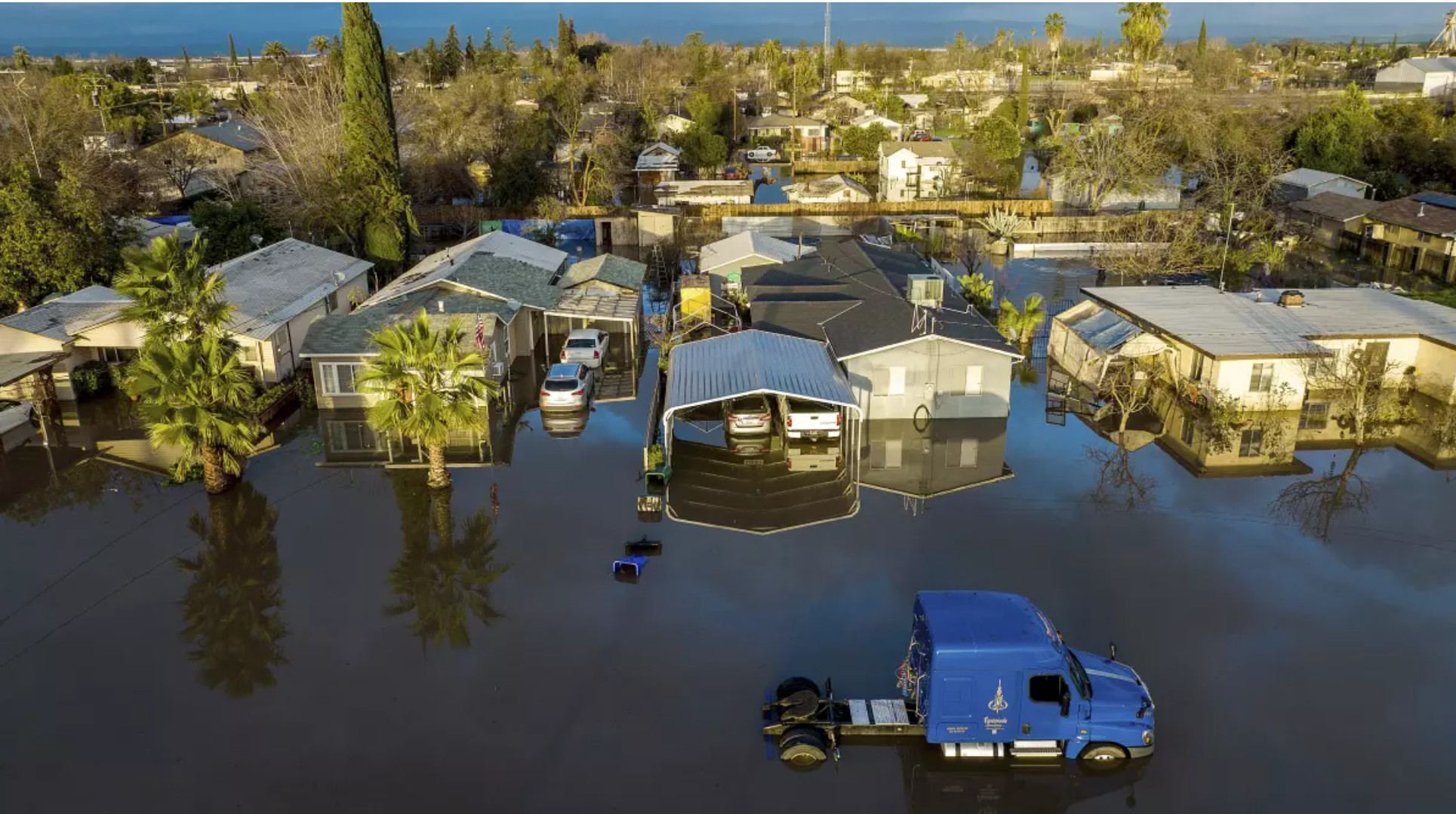 Natural disasters such as hurricanes, earthquakes, floods, and wildfires are increasingly becoming concerns for property owners worldwide. Taking proactive measures to protect your property not only ensures the safety of residents but also preserves property value and minimizes costly damages. This article explores effective strategies for safeguarding real estate properties against natural disasters, incorporating essential tips to enhance resilience and maintain peace of mind.
1. Understand the Risks in Your Area: Before implementing protection measures, identify the types of natural disasters common to your region. For instance:
Coastal areas may face hurricanes and flooding.
Seismically active zones are prone to earthquakes.
Dry climates often contend with wildfires.
Research local building codes, zoning laws, and disaster preparedness programs to align your protection strategies with community standards.
2. Invest in Structural Reinforcements: Strengthen your property’s structure to withstand the effects of natural disasters:
Hurricanes: Install impact-resistant windows and doors, and reinforce roofs with hurricane straps.
Earthquakes: Retrofit older properties with seismic bracing for foundations, walls, and chimneys.
Flooding: Elevate the property above flood levels and seal foundation cracks to prevent water intrusion.
These reinforcements not only enhance safety but also increase long-term property value.
3. Prioritize Landscaping for Disaster Mitigation: Landscaping plays a crucial role in protecting your property:
Create defensible spaces by keeping flammable vegetation away from structures in wildfire-prone areas.
Use permeable paving materials to improve drainage and reduce flood risks.
Plant wind-resistant trees and shrubs to minimize hurricane damage.
By combining functionality and aesthetics, landscaping can contribute significantly to disaster resilience.
4. Install Advanced Safety Features: Modern technology offers several tools to safeguard properties against natural disasters:
Weather-Resistant Materials: Use durable materials like steel, concrete, and treated wood to construct homes in high-risk zones.
Backup Power Systems: Install solar panels with battery storage or a backup generator to maintain power during emergencies.
Flood Barriers: Use sandbags or automated flood barriers to protect the property from rising water levels.
Investing in these safety features not only ensures protection but also attracts environmentally conscious buyers.
5. Secure Proper Insurance Coverage: Comprehensive homeowner’s insurance is vital in disaster-prone areas. Consider the following:
Add coverage for specific disasters like earthquakes or floods, as they’re often excluded from standard policies.
Document all structural upgrades and safety installations to receive fair compensation in case of damage.
Review your policy annually to ensure it aligns with the latest property improvements and regional risks.
6. Develop an Emergency Plan: Having an emergency plan ensures that everyone on the property knows how to respond during a disaster. Your plan should include:
Evacuation routes and safe meeting points.
Emergency contacts for local authorities and disaster relief organizations.
A kit contains food, water, first aid supplies, and backup power sources.
Test your plan periodically to ensure its effectiveness.
7. Leverage Smart Home Technology: Integrating smart home systems enhances preparedness and safety:
Surveillance Cameras: Monitor your property remotely to assess damage after a disaster.
Weather Alerts: Use apps and devices to receive real-time updates and warnings.
Automated Systems: Control shutters, sprinklers, and lights remotely to minimize damage during emergencies.
Smart technology adds convenience and peace of mind, making properties more appealing in the real estate market.
8. Collaborate with Local Communities: Community efforts often play a crucial role in disaster preparedness:
Participate in local resilience-building initiatives, such as neighborhood watch programs or disaster preparedness workshops.
Share resources with neighboring property owners, such as flood pumps or emergency shelters.
Advocate for infrastructure improvements like drainage systems and protective barriers in high-risk areas.
Working together enhances the overall safety of the neighborhood, benefiting all residents.
9. Maintain Your Property Regularly: Regular maintenance ensures that your property remains in optimal condition to withstand disasters:
Clear gutters and drains to prevent water accumulation.
Inspect roofs and foundations for vulnerabilities like cracks or loose shingles.
Test safety systems, including fire alarms and sump pumps, to ensure functionality.
A well-maintained property is more likely to endure the impacts of natural disasters.
10. The Role of Real Estate in Disaster-Prone Areas: Properties in disaster-prone areas often face fluctuating market trends. By implementing these protection strategies, you can enhance the value and appeal of your property. Highlighting disaster-resilient features in property listings can attract buyers who prioritize safety and sustainability.
Conclusion: Protecting your property from natural disasters requires a combination of proactive measures, technological investments, and community involvement. By implementing these tips, property owners can safeguard their investments and contribute to creating safer and more resilient neighborhoods. Whether you’re a homeowner or a real estate investor, prioritizing disaster preparedness is a smart, future-proof strategy that pays dividends in peace of mind and property value.
By optimizing your property with disaster-resilient features and strategies, you’ll also boost its appeal in the competitive real estate market, aligning perfectly with the growing demand for safe and sustainable living spaces.


Comments
Post a Comment