Understanding the Dynamics of Multi-Generational Housing
https://buymeacoffee.com/kaysogy/understanding-dynamics-multi-generational-housing
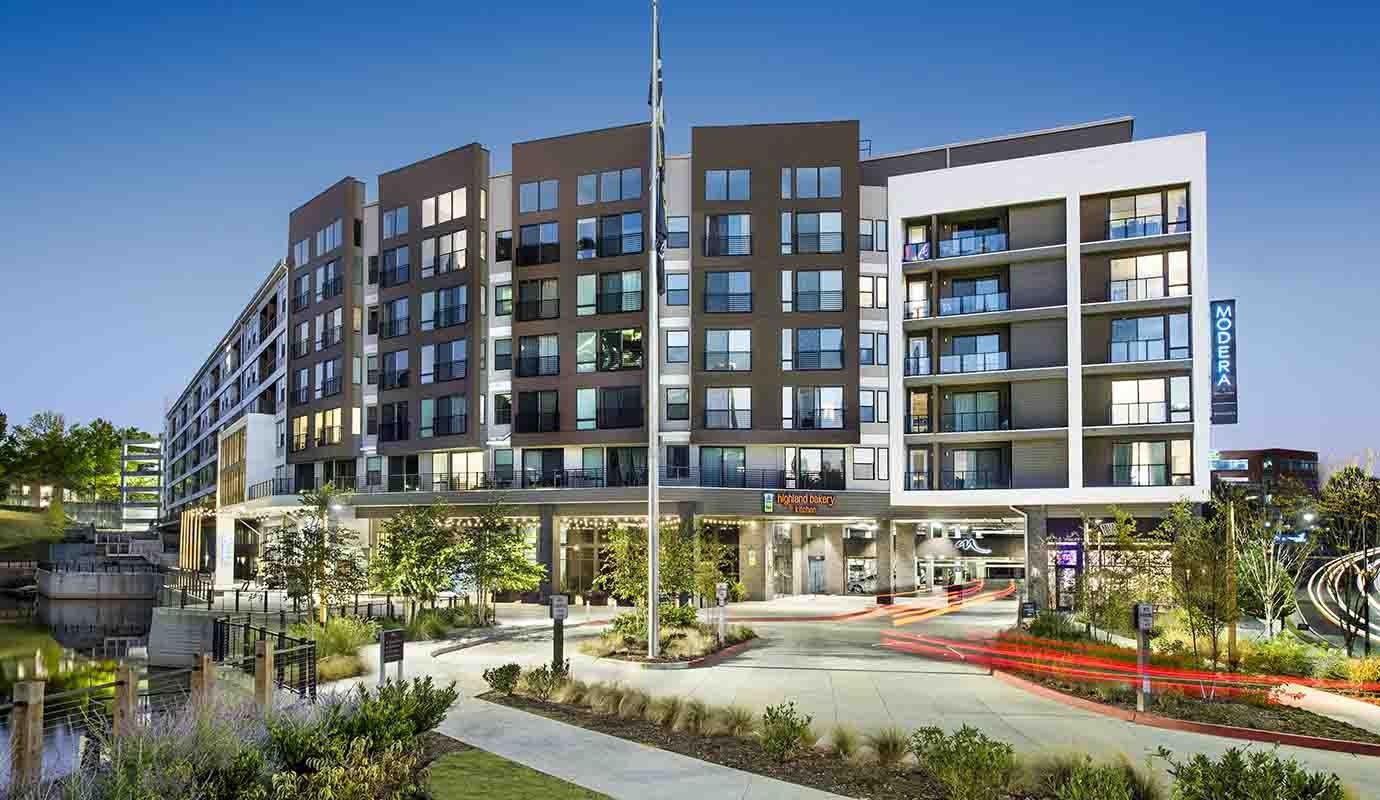 Multi-generational housing has become a prominent trend in today’s real estate market due to cultural, financial, and lifestyle shifts. This living arrangement, where multiple generations of a family cohabit in the same residence, offers both rewards and challenges. For real estate investors, developers, and homeowners, understanding the complexities of multi-generational housing is essential for maximizing space, comfort, and long-term property value.
What is Multi-Generational Housing: Multi-generational housing refers to households with members of at least two adult generations, often parents and adult children, or grandparents. According to real estate trends, this setup has increased in popularity as families seek more affordable living arrangements while also providing mutual support, especially for childcare and eldercare.
Reasons for the Growth of Multi-Generational Housing
1. Rising Real Estate Prices: Housing affordability remains a significant driver, as property prices and the cost of living continue to increase in many urban centers. Younger adults find it challenging to afford homes in competitive markets, while older adults may need financial support or prefer living near family.
2. Aging Population Needs: As people live longer, many seniors seek assistance with daily tasks, healthcare, and companionship. By combining households, families can save on retirement home fees and ensure seniors receive personal care from family members.
3. Cultural Preferences: Certain cultures value close family bonds and have long practiced multi-generational living. This setup allows family members to share traditions, support one another, and maintain close familial ties.
Pros of Multi-Generational Housing
1. Cost-Effectiveness: Shared expenses, including rent, utilities, and food, help to reduce the cost of living significantly. This financial advantage appeals to families seeking affordable housing solutions and long-term savings.
2. Built-in Support Systems: The arrangement facilitates family support systems. With shared child and eldercare responsibilities, family members often enjoy more flexibility in their personal and professional lives.
3. Enhanced Property Value: Investing in real estate properties that accommodate multi-generational living can increase a property’s appeal and value. Homes with features like dual kitchens, separate entrances, or adaptable spaces can attract buyers looking for flexibility and potential rental income.
Cons of Multi-Generational Housing
1. Privacy Challenges: One of the major concerns with multi-generational living is reduced privacy. Families may need to remodel spaces to provide separate areas for each generation, which can increase initial setup costs.
2. Potential Conflicts: The cohabitation of different generations can lead to conflicts over household management, lifestyle differences, or varying needs for personal space.
3. Remodeling Costs: Properties often require remodeling to create distinct living areas, whether through additional bathrooms, independent kitchens, or soundproofing. While these changes can increase a property’s appeal, they also demand a substantial financial commitment.
Key Features of Multi-Generational Homes: Investors looking to attract multi-generational buyers should consider certain features in property listings:
Flexible Spaces: Open floor plans that allow for adaptability and conversions.
Dual Entrances: Separate entrances add privacy and are ideal for multi-generational setups.
Extra Bathrooms and Kitchens: Additional facilities make living together more convenient and independent.
Accessibility Features: Features like grab bars, ramps, and accessible layouts are essential, especially for elder care.
Designing Multi-Generational Housing: For those interested in real estate investments focused on multi-generational properties, here are a few design considerations:
Privacy and Separation: Private quarters for each generation can improve coexistence. Consider basement apartments, lofted spaces, or side wings.
Accessible Design: Accessible design is critical, especially in homes shared with seniors. Incorporate wider hallways, handrails, non-slip surfaces, and ramps for ease of mobility.
Flexible Rooms: Homes with rooms that can serve as bedrooms, offices, or recreational areas are ideal. For example, a bonus room could be converted based on the family’s evolving needs.
Property Taxes: Multi-generational homes often have larger square footage, which can affect property tax rates. Investors and buyers need to budget for potential tax increases.
Financing Options: Seek loans specifically geared toward multi-family housing or home renovations. Certain loans or grants may support accessible remodeling efforts.
Insurance Needs: Homes that house multiple families or individuals may require different insurance coverages. Multi-generational homeowners should consult with real estate insurance providers to ensure adequate coverage.
How Multi-Generational Housing Affects the Real Estate Market: The growing interest in multi-generational living impacts several aspects of the housing market. Properties catering to this lifestyle can see a higher demand, especially in urban centers or areas with aging populations. For real estate investors, properties with multi-generational potential are an attractive addition to a portfolio due to their versatility, longevity, and ability to meet shifting demographic needs.
Conclusion: The trend of multi-generational housing is here to stay, driven by financial pressures, an aging population, and cultural shifts. For real estate developers, investors, and homeowners, understanding the dynamics and design considerations of multi-generational homes is key to creating adaptable and market-ready properties. With strategic planning and attention to layout and financing, multi-generational housing can offer financial savings, familial support, and an enriching, communal lifestyle.


Comments
Post a Comment