The Impact of Smart Home Technology on Property Demand
https://buymeacoffee.com/kaysogy/the-impact-smart-home-technology-property-demand
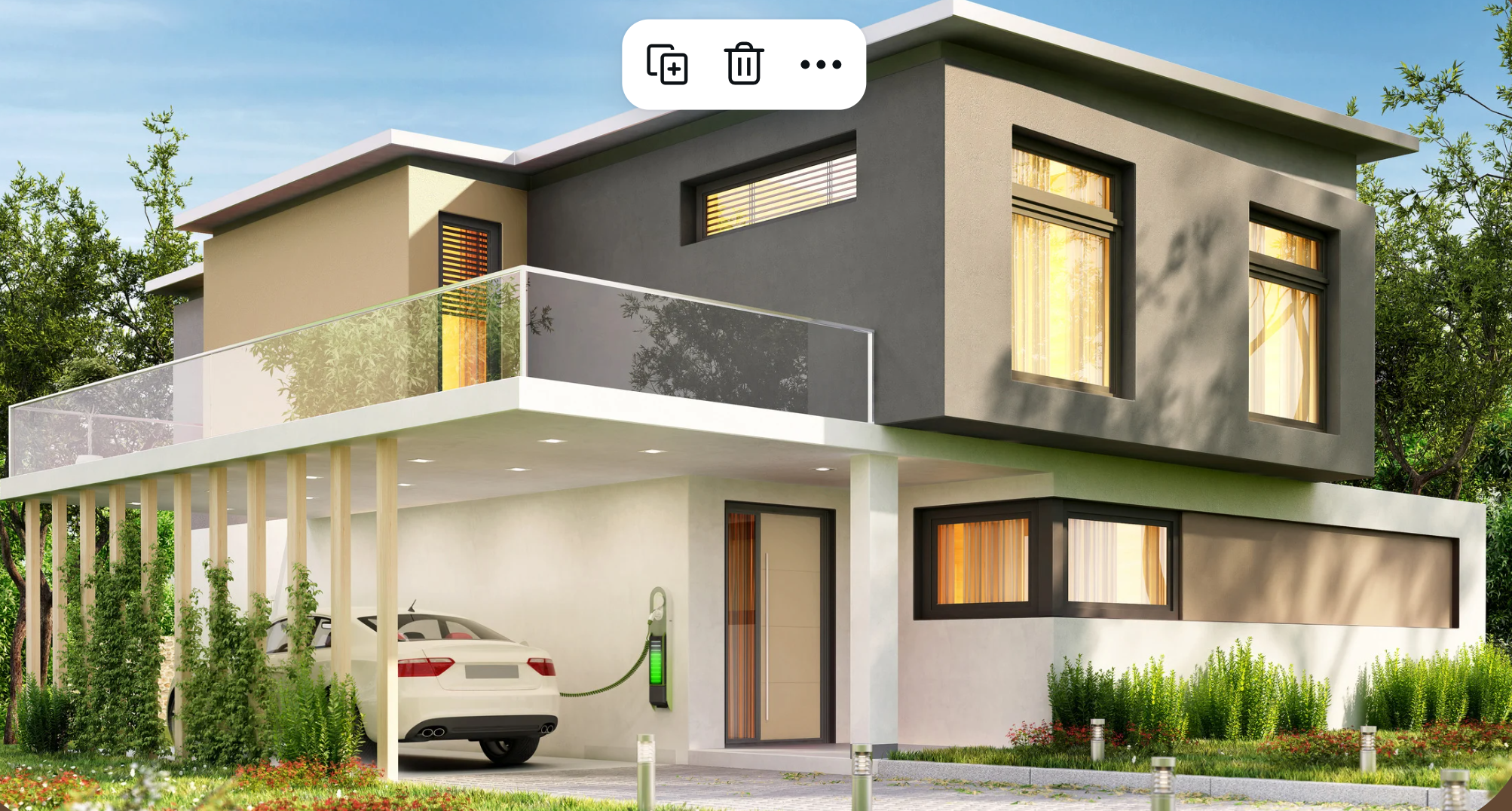 In recent years, smart home technology has revolutionized how people interact with their living spaces. As technological advancements continue to evolve, their influence on the real estate market has become more prominent. From convenience to security, energy efficiency to luxury, the benefits of smart home technology are significant. This article explores how these technologies are reshaping property demand and why homebuyers and real estate investors should pay close attention to these trends.
What Is Smart Home Technology: Smart home technology refers to devices and systems that connect to the internet, allowing homeowners to remotely control and automate various aspects of their homes. Examples include smart thermostats, lighting systems, security cameras, and smart locks, which can be managed through smartphones or voice assistants like Amazon's Alexa or Google Home. This seamless integration of technology into everyday life enhances both convenience and security, appealing to a growing segment of homebuyers.
The Rise in Demand for Smart Homes: The adoption of smart home technology has created a growing demand for properties equipped with these innovations. Buyers now seek homes that offer functional living spaces and integrated technology solutions. According to recent studies, homes with smart technology tend to sell faster and at higher prices compared to those without.
Key factors contributing to this increased demand include
Convenience: Homeowners can control their heating, lighting, and security systems with just a few taps on their smartphones. This level of convenience is highly attractive to buyers, especially in a fast-paced, tech-savvy world.
Energy Efficiency: Smart thermostats and lighting systems help homeowners monitor and optimize their energy usage. As energy efficiency becomes a priority for many, homes with these systems stand out in the real estate market.
Enhanced Security: Smart locks, cameras, and alarm systems offer greater control over a property's security. Homeowners can monitor their homes in real-time, which is a strong selling point for those who prioritize safety.
How Smart Technology Adds Value to Properties: For both buyers and investors, understanding how smart technology impacts property values is essential. Here are some ways smart home features contribute to the appreciation of property values:
Higher Resale Value: Homes equipped with smart devices generally fetch higher prices on the market. Buyers are willing to pay a premium for the added convenience, energy savings, and security these technologies offer.
Attraction of Tech-Savvy Buyers: Millennials and Gen Z, who are now entering the home-buying market, are particularly attracted to properties with smart home features. These generations are tech-oriented and expect homes to have modern amenities that enhance their lifestyle.
Competitive Edge in a Saturated Market: In competitive real estate markets, offering smart home technology gives sellers a competitive edge. Buyers tend to gravitate toward homes that offer the most advanced features, setting such properties apart from traditional ones.
Impact on the Rental Market: The influence of smart home technology is not limited to homebuyers. It is also transforming the rental market. Landlords who invest in smart technology for their rental properties can charge higher rents and attract high-quality tenants. Renters are more likely to choose homes that offer increased security, energy efficiency, and modern conveniences. In a rental property market where differentiation is key, smart technology gives landlords an advantage.
Additionally, properties near technology hubs or areas with a younger population are likely to see an increased demand for smart home features. This trend is especially prominent in urban real estate markets.
Challenges and Considerations: While smart home technology offers numerous advantages, there are some challenges to consider:
Privacy Concerns: As smart devices collect vast amounts of data, some potential buyers are wary of privacy issues. The security of connected devices is crucial, and homeowners must ensure that the systems they use are secure and reliable.
Cost of Installation and Maintenance: While smart home systems provide long-term savings through energy efficiency, the initial investment can be significant. Moreover, ongoing maintenance costs can deter some buyers, especially in markets where housing affordability is already an issue.
Technological Compatibility: With various smart devices available on the market, ensuring that different systems are compatible can be a challenge. Buyers need to be aware of whether the technology integrated into the home is user-friendly and future-proof.
Future Trends in Smart Home Technology: As smart home technology continues to evolve, the future promises even more integration between homes and technology. Key trends to watch include:
Voice-Controlled Homes: While voice-activated devices are already common, the future will see even more advanced systems capable of controlling all aspects of the home. From voice-controlled appliances to integrated AI systems that manage entire households, the possibilities are vast.
Sustainable Smart Homes: With sustainability at the forefront of global concerns, we will see more homes equipped with smart energy solutions like solar panels, smart energy meters, and water-saving devices. The combination of sustainability and smart technology will create highly desirable eco-friendly homes.
Automation and Artificial Intelligence: Automation will move beyond simple tasks to more complex ones. AI-powered smart homes will anticipate needs and make decisions, such as adjusting lighting based on the time of day or automatically ordering supplies when stock runs low.
Conclusion: Smart home technology is not just a trend but reshaping the real estate landscape. Homes equipped with modern technology solutions are more attractive to buyers and renters alike. From enhanced convenience and security to energy efficiency, the benefits are clear. As the technology continues to advance, properties with smart features will likely dominate the market, providing investors, landlords, and homeowners with significant advantages.
For real estate investors and homeowners looking to stay ahead in the market, investing in smart home technology is no longer optional; it's essential. Whether you're looking to increase property value, attract tech-savvy buyers, or create a more sustainable living environment, embracing smart home technology is the way forward.


Comments
Post a Comment