The Importance of Walkability in Urban Real Estate
https://buymeacoffee.com/kaysogy/the-importance-walkability-urban-real-estate
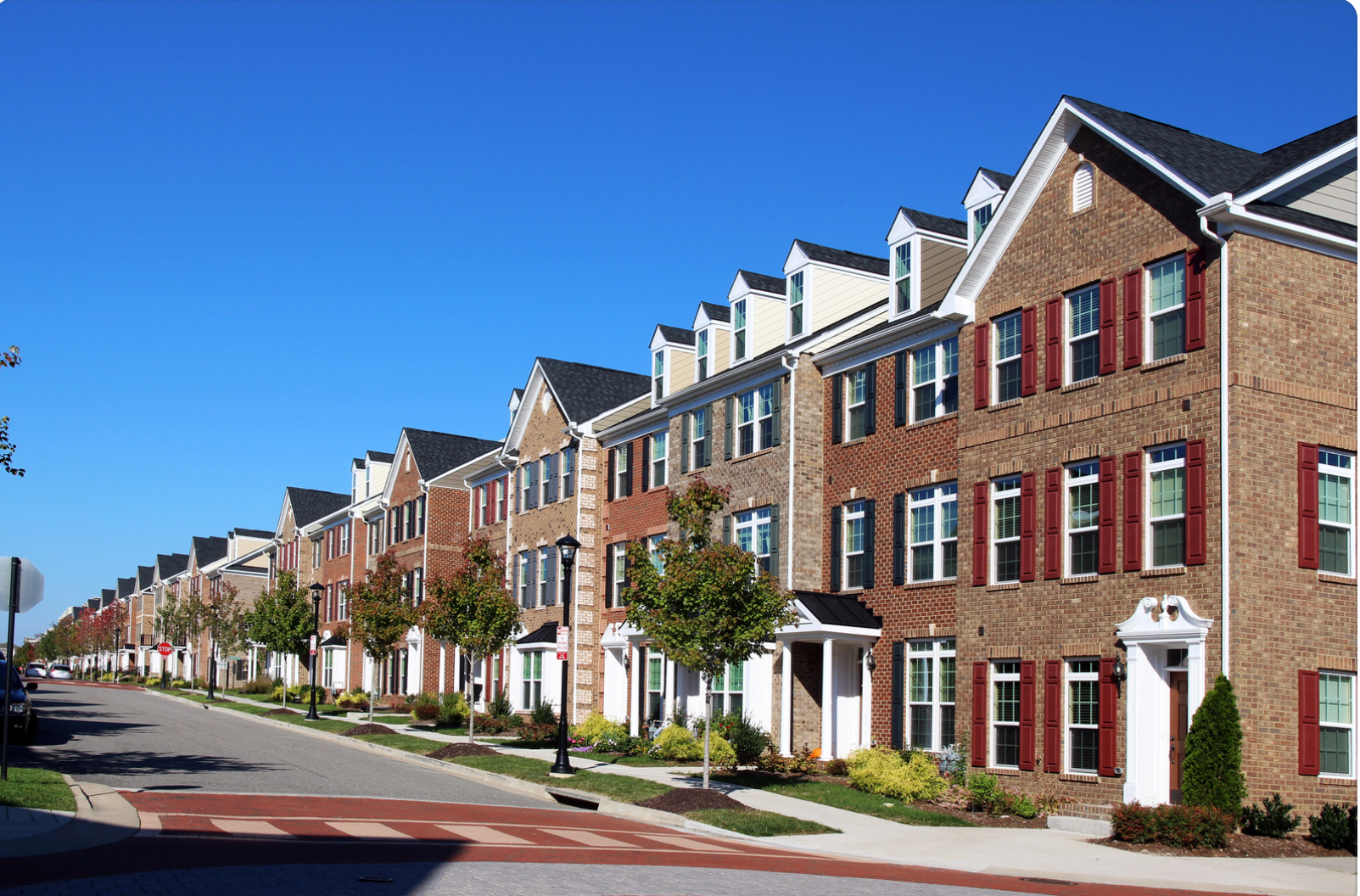 In urban real estate, walkability has emerged as a significant factor influencing property values, desirability, and the overall quality of life for residents. A walkable neighborhood is one where daily activities—such as shopping, dining, working, and recreation—are easily accessible on foot. This trend, driven by changing lifestyle preferences and environmental awareness, highlights the growing demand for properties located in walkable urban areas.
Why Walkability Matters in Urban Real Estate
Higher Property Values: One of the main reasons walkability is important in urban real estate is its direct impact on property values. Homes and commercial properties in highly walkable areas tend to command higher prices due to increased demand. Buyers are willing to pay a premium for the convenience of living in a neighborhood where they can walk to amenities, including cafes, grocery stores, and parks.
Health Benefits for Residents: Walkable neighborhoods encourage a more active lifestyle, leading to better overall health. Regular walking improves cardiovascular health, strengthens muscles, and enhances mental well-being. For real estate investors, promoting the health benefits of living in walkable areas can be a powerful selling point.
Environmental Sustainability: Walkable neighborhoods contribute to environmental sustainability by reducing the dependence on cars, lowering carbon emissions, and encouraging eco-friendly modes of transportation such as walking, biking, or using public transit. As more people seek to reduce their carbon footprint, homes in sustainable neighborhoods with high walkability are becoming more desirable.
Increased Rental Demand: Urban tenants, particularly millennials and Gen Z, prioritize convenience and accessibility. Walkable neighborhoods often boast a vibrant mix of commercial and residential properties, making them attractive to renters who prefer not to own a car. As a result, landlords in walkable areas can command higher rents and enjoy a more consistent demand for rental properties.
Community Engagement: Walkable areas foster a stronger sense of community. Residents frequently interact with their neighbors while walking to local businesses or parks, contributing to a sense of belonging. This social connectivity appeals to buyers and investors looking to invest in properties in urban areas with strong community ties.
Measuring Walkability: The Role of Walk Scores: A property's Walk Score measures its walkability on a scale of 0 to 100. A higher Walk Score means more amenities and services are within walking distance. Many potential buyers and renters use this score to evaluate properties, especially in urban environments where walkability is a priority.
A Walk Score above 90 indicates a “Walker’s Paradise,” where daily errands do not require a car.
Scores between 70-89 suggest that most errands can be accomplished on foot.
A score below 50 typically indicates a car-dependent area.
Walkability and Commercial Real Estate: Walkability also plays a vital role in commercial real estate. Businesses thrive in walkable areas due to the high foot traffic, which can lead to increased customer engagement. Retail spaces, restaurants, and other service-oriented companies benefit from being situated in walkable neighborhoods, and investors often seek commercial properties in these locations for their high return on investment (ROI).
Challenges and Considerations: While walkability offers numerous benefits, it's essential to consider the challenges that may arise, such as gentrification. Property values can skyrocket as more walkable areas become popular, potentially displacing long-time residents. Investors and developers must strike a balance between improving walkability and maintaining the character and affordability of neighborhoods.
Conclusion: Walkability is more than just a lifestyle preference—it’s a critical factor that shapes the urban real estate market. Properties in walkable neighborhoods tend to offer higher returns on investment, better quality of life for residents, and a reduced environmental impact. As urban centers continue to grow and evolve, walkability will remain a key consideration for both homebuyers and investors looking to capitalize on sustainable, convenient living environments. By focusing on walkability as a key aspect of urban real estate, you can enhance your investment portfolio while catering to the increasing demand for properties that prioritize health, sustainability, and community engagement.


Comments
Post a Comment