Exploring Mixed-Use Developments: Integrating Residential and Commercial Spaces
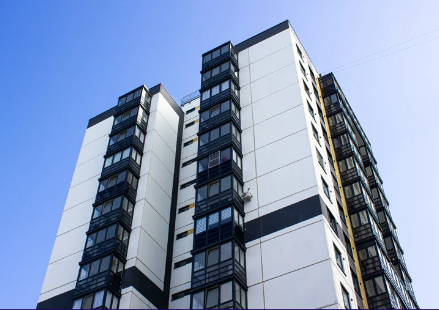
Mixed-use developments, which blend residential, commercial, and sometimes industrial spaces, are revolutionizing urban landscapes. By integrating these different environments, they create dynamic and sustainable communities that cater to a variety of needs. This article explores the key aspects of mixed-use developments, their benefits, challenges, and the emerging trends that are shaping their future.
Benefits of Mixed-Use Development
Enhanced Community Living Mixed-use developments foster a sense of community by combining living, working, and recreational spaces. This integration encourages social interactions, making neighborhoods more vibrant and cohesive.
Increased Convenience Residents of mixed-use developments enjoy easy access to shops, restaurants, offices, and recreational facilities. This proximity reduces the need for long commutes, saving time and improving quality of life.
Economic Growth These developments stimulate local economies by attracting businesses and creating jobs. The presence of commercial spaces within residential areas boosts property values and promotes economic vitality.
Sustainable Living Mixed-use developments support sustainable real estate practices by reducing the reliance on cars and promoting walkability. They often incorporate green building practices and eco-friendly technologies, contributing to a smaller carbon footprint.
Challenges of Mixed-Use Developments
Complex Zoning and Regulations Navigating the zoning laws and regulatory requirements for mixed-use projects can be challenging. Developers must work closely with local authorities to ensure compliance and address any legal hurdles.
Financing and Investment Securing funding for mixed-use developments can be more complex than for single-use projects. Investors and lenders need assurance of the project's viability and potential for returns.
Design and Construction Designing spaces that effectively combine residential and commercial uses requires careful planning. Considerations such as noise, privacy, and traffic flow must be addressed to create a harmonious environment.
Emerging Trends in Mixed-Use Developments
Technological Integration: Adopting real estate automation and digital property management systems is becoming more prevalent. These technologies enhance operational efficiency, improve security, and provide residents and businesses a seamless experience.
Focus on Health and Wellness Post-pandemic, there is a heightened focus on health and wellness in mixed-use developments. Features such as fitness centers, green spaces, and wellness amenities are increasingly being incorporated to meet residents' and workers' needs.
Adaptive Reuse Transforming existing buildings into mixed-use developments is a sustainable and cost-effective trend. Adaptive reuse preserves historical architecture while providing modern amenities, contributing to urban revitalization.
Community-Centric Design Developers are prioritizing designs that foster community engagement. Public plazas, cultural centers, and event spaces are integral to mixed-use projects, encouraging social interaction and community activities.
Smart Home Technology Integrating smart home technology into residential units within mixed-use developments enhances convenience and energy efficiency. Residents benefit from automated systems that control lighting, heating, and security.
Future Prospects: Mixed-use developments are set to play a crucial role in the future of urban planning. They offer a sustainable and efficient solution to the growing demands of urbanization. By integrating residential and commercial spaces, these developments can create thriving, resilient communities that cater to diverse needs.
Conclusion: Mixed-use developments represent a forward-thinking approach to urban living, blending residential and commercial spaces to create vibrant and sustainable communities. While they come with challenges such as complex zoning and financing, the benefits of enhanced community living, increased convenience, economic growth, and sustainability make them a compelling option for future urban development. By staying abreast of emerging trends such as technological integration, health and wellness focus, adaptive reuse, community-centric design, and smart home technology, developers can create successful mixed-use projects that meet the evolving needs of modern society. As the real estate market continues to evolve, mixed-use developments will be at the forefront of shaping the cities of tomorrow.


Comments
Post a Comment