The Future of Co-Living Spaces: Trends and Opportunities
https://buymeacoffee.com/kaysogy/the-future-co-living-spaces-trends-opportunities
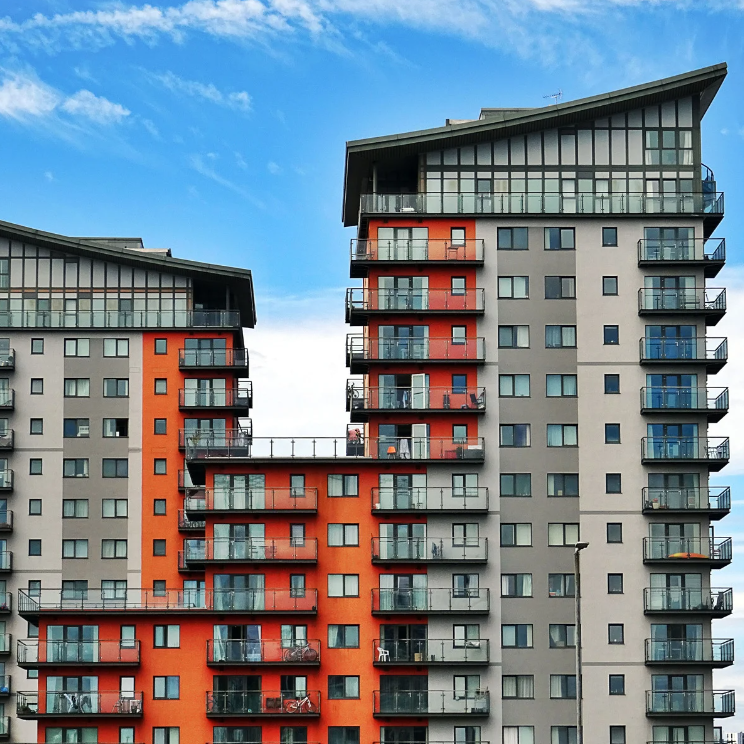
Co-living spaces have emerged as a popular housing solution in urban areas, offering a blend of affordability, convenience, and community. As real estate trends evolve, the co-living model is poised to play a significant role in shaping the future of urban living. This article delves into the trends and opportunities within the co-living sector, highlighting key factors driving its growth and the potential it holds for investors, developers, and residents alike.
Understanding Co-Living Spaces: Co-living spaces are designed to provide shared living environments where residents have private bedrooms but share common areas such as kitchens, living rooms, and recreational spaces. This model fosters a sense of community while offering cost-effective living solutions in expensive urban markets.
Trends in Co-Living Spaces
Urbanization and Housing Affordability: The rise in urbanization has led to increased demand for affordable housing solutions. Co-living spaces address this need by offering lower rental costs compared to traditional apartments, making city living more accessible.
Changing Lifestyles and Preferences: Millennials and Gen Z prioritize experiences and community over material possessions. Co-living caters to these preferences by providing communal spaces and social events that foster connections among residents.
Remote Work and Flexibility: The shift towards remote work has amplified the need for flexible living arrangements. Co-living spaces often include amenities like co-working areas and high-speed internet, making them ideal for digital nomads and remote workers.
Technological Integration: Smart home technology is increasingly being integrated into co-living spaces. Features such as keyless entry, app-based management systems, and energy-efficient appliances enhance convenience and appeal to tech-savvy residents.
Sustainability and Eco-Friendly Design: Sustainable real estate practices are becoming a priority in co-living developments. Eco-friendly designs, energy-efficient systems, and green building materials reduce environmental impact and attract environmentally conscious residents.
Health and Wellness Focus: Post-pandemic, there is a heightened focus on health and wellness. Co-living spaces are incorporating wellness amenities such as fitness centers, meditation rooms, and outdoor spaces to cater to residents' well-being.
Opportunities in Co-Living Spaces
Investment Potential: Co-living spaces present lucrative investment opportunities. The growing demand for affordable urban housing and the relatively lower development costs make co-living an attractive option for real estate investors.
Market Diversification: Co-living spaces can cater to various demographics, including students, young professionals, and even seniors. Developers can diversify their portfolios by targeting specific groups and customizing co-living spaces to meet their unique needs.
Scalability: Co-living models are highly scalable. Developers can start with small projects and gradually expand as demand increases. This scalability allows for flexible investment and growth strategies.
Community Building: The emphasis on community within co-living spaces creates opportunities for partnerships with local businesses and service providers. Events, workshops, and local collaborations can enhance the resident experience and build strong, vibrant communities.
Innovation in Design and Management: The co-living sector is ripe for innovation. Developers and managers can experiment with creative designs, unique amenities, and efficient management practices to differentiate their properties and attract tenants.
Addressing Loneliness and Social Isolation: Co-living spaces can play a vital role in combating loneliness and social isolation, particularly in urban environments. By fostering interaction and providing a sense of belonging, co-living can significantly enhance residents' quality of life.
Challenges and Considerations
While the future of co-living spaces is promising, there are challenges to consider:
Regulatory Hurdles: Navigating zoning laws and regulations can be complex. Developers need to ensure compliance with local housing laws and obtain necessary permits.
Management Complexity: Managing co-living spaces requires a different approach compared to traditional rental properties. Effective communication, conflict resolution, and community-building skills are essential for successful management.
Market Saturation: As co-living gains popularity, there is a risk of market saturation in certain areas. Conducting thorough market research and choosing the right locations are crucial for mitigating this risk.
Conclusion: The future of co-living spaces is bright, with numerous trends and opportunities shaping this innovative housing model. As urbanization continues and lifestyles evolve, co-living offers a sustainable, flexible, and community-oriented solution to modern housing challenges. By understanding the trends and seizing the opportunities, investors, developers, and residents can all benefit from the growing co-living movement.


Comments
Post a Comment